Summary
- Rubio: The “ultimate deal” is the denuclearization of Iran, while Omani talks focus on reopening Hormuz.
- Stalemate persists: Iran refuses nuclear negotiations until the conflict ends, leaving both sides far apart.
- Deal optimism sees oil slide: Brent fell below $80 on reports of progress in Oman-mediated Hormuz talks.
- Bessent claims a Hormuz agreement could come “today or tomorrow”.
- Major doubts remain given Iran denies formal talks, security risks persist and the reported Oman plan could leave Tehran with broad control over Hormuz traffic.
* * *
Rubio: “Denuclearization of Iran” is the “Ultimate Deal”
Secretary of State Marco Rubio spoke at the White House Tuesday, just after headlines out of Qatar touting that a new draft deal initiative is gaining momentum.
Rubio insisted again that Strait of Hormuz remains open and that vessels are continuing to pass through it, but said the US is working to open it up to bigger vessel transit flows.
“I think there is a conversation and a negotiation that we are involved in between Iran and Oman on how more ships can be able to go through there safely in the short term, as we move towards… longer-term talks about denuclearization,” said Rubio. He then emphasized that that the “denuclearization of Iran” is the “ultimate deal”.
But from Tehran’s point of view, this will constitute Washington shifting the goalposts back to square one once again. Iran has insisted it will not negotiate the end of its nuclear program, especially while the conflict is still in an active phrase. It has consistently said that nuclear talks can happen later, only once an agreement to end the war has been accomplished. The two sides continue to be far apart, despite the Tuesday morning onslaught of ‘Hormuz deal imminent’ headlines.
PressTV, however, has said that Iran-Oman talks on opening Hormuz are in a “new phase” – and despite what it calls “US obstruction” – but so far it appears this management scheme will be favorable to Iran’s demands. And yet there’s still some signs of compromise on the horizon:
IRAN WEIGHS ALLOWING EUROPE TO CLEAR MINES IN STRAIT OF HORMUZ
“Over the next two and a half years” pic.twitter.com/x6e8GychXb
— Justin Logan (@JustinTLogan) May 30, 2026
Oil Slides amid return to Another Round of ‘Deal Imminent’ Headlines
Another fake ceasefire in progress? Or are we to believe it’s for real this time? There’s nothing on the ground-level at all that currently suggests the warring sides are imminently about to agree to a new ceasefire, or are so much as back at the negotiating table.
And yet Tuesday morning headlines are now being driven by a Qatari Foreign Ministry statement saying that “language” for a possible US-Iran resolution “has been drafted” and “is being circulated between the parties.”
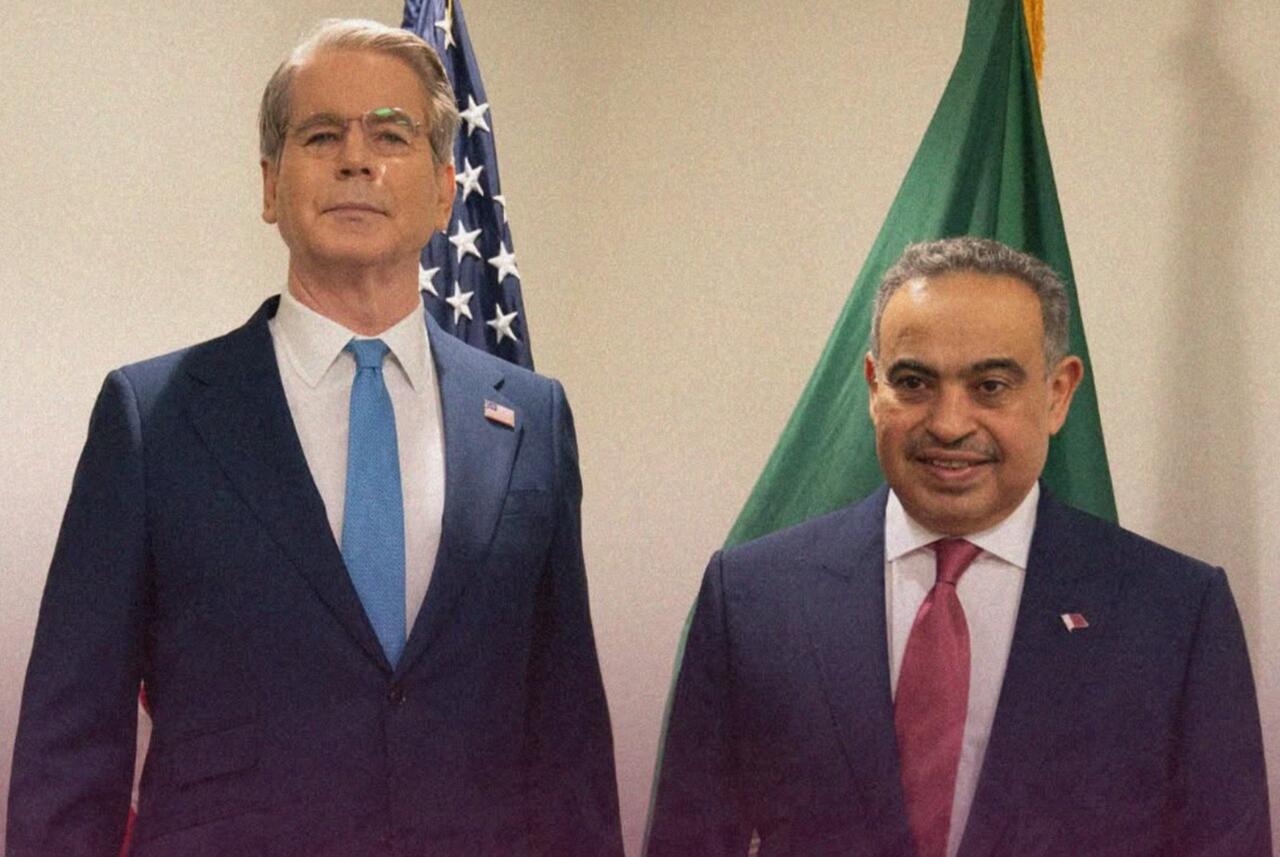
Ministry spokesman Majed Al-Ansari didn’t offer any time line for a potential deal in relaying the statement before a press briefing but said that current diplomatic efforts are focused on preventing further escalation, reopening the Strait of Hormuz and creating conditions to resume talks.
He described that the focus is on short term resolution that would restart US-Iran talks and return the sides to mediation, but also admitted that there’s “nothing the the books when it comes to direct talks.” This comes as President Trump has told Iran that he wants to see a deal done on the Hormuz Strait immediately, per Bloomberg.
This was enough for regional media, including Israel’s i24 to report ‘progress’ in the Omani mediated Hormuz talks, with the American side – as yet only participating indirectly – said to be “much more” flexible in their demands than even the Omani side, amid Iranian recalcitrance.
“Iran has conveyed a message: any solution that we agree to and sign must also be approved by Washington,” i24 has written. This somewhat forced and perhaps manufactured return yet again to peace optimism has sent oil sliding…
BRENT CRUDE OIL FALLS BELOW $80 FOR FIRST TIME SINCE MID JULY

The day prior, President Trump continued to address Tehran in threatening language, however. He said before reporters in the Oval Office: “I want to give them every last chance before decapitation. Very tough to do what what we have planned, still planned. We’ll see what happens, but it’s very very tough thing to do. I think I’m very proud of the fact that I will give people a chance.”
Bessent Floats Maybe ‘Iran Deal Tomorrow’ To Open Hormuz
Just on the heels of the above ‘draft deal’ headlines, and in a carefully timed CNBC appearance, Washington brought out its heavy hitter to re-anchor the administration’s narrative, seeking to assure markets that a diplomatic deal with Tehran is not only real, but imminent – potentially coming together even as soon as Tuesday through Wednesday.
“We may have an Iran deal tomorrow to open Hormuz,” Treasury Secretary Scott Bessent declared, signaling that a major diplomatic resolution is within reach. He pointed out that physical maritime traffic is already quietly resuming, regardless of headline volatility.
Bessent gets dragged in to justify “imminent Iran deal” as algos no longer reacting to $100,000 Truth Social API
— zerohedge (@zerohedge) August 4, 2026
Bessent claimed the administration is seeing “quite a few ships coming out of Hormuz, even now,” suggesting the chokehold is loosening ahead of an actual deal and formal signature. With physical crude flows expected to resume, Bessent predicted that elevated energy prices will soon settle down, paving the way for a massive “relief trade” across broader markets:
“We are in talks with the Iranians, and I think there is a chance we may have a deal today or tomorrow to open the Strait and move towards a more normalized position in this conflict,” Bessent said in an interview with CNBC.
Asked if Tehran would be allowed to charge a toll, Bessent said the deal would allow freedom of movement in the strait.
“It would be freedom of movement,” he said. “Even though things are still a little dicey there over the past few days, we saw quite a few ships coming out even now.”
Of course, we’ve heard all of this before, and notably Bessent’s commentary came just after Iranian President Masoud Pezeshkian insisted that while Tehran would defend its borders, it does not seek to expand the war, according to state media. An advisor to the Supreme Leader also reiterated that if the blockade continues, US vessels and forces will face serious risks and casualties. And there’s this not so small hiccup in the strait emerging Tuesday:
- A vessel has been struck in the Strait of Hormuz near Oman, the UK maritime security firm Vanguard says. One crew member is missing.
🔺 Senior Iranian figure warns US forces will “face serious risks and casualties” if the Hormuz blockade continues
Mohsen Rezaei, senior military advisor to the Supreme Leader and former longtime commander of the Islamic Revolutionary Guard Corps (IRGC), warned that US vessels… https://t.co/Oozl8C5sLw
— Drop Site (@DropSiteNews) August 4, 2026
Oman Hormuz Blueprint Would Leave Iran Largely With Control
Looming large over all of this is the fact that the Iranians have still denied that they are in formal talks with Washington, which Trump the day prior described as a ruse, venting his frustration while insisting that the Iranians have been engaging. The Hormuz blueprint as it basically stands:
Reuters: Iran would gain full control over vessels entering the Strait of Hormuz under a temporary plan being discussed with Oman, an Iranian official says.
Outbound vessels would use the route between Iran and Oman, with Oman approving their exit only after notifying Tehran. The plan would give Iran full visibility over outbound traffic and the ability to intervene if needed and Iran is unlikely to accept any other proposal to open the strait
The Bessent clip:
Bessent on Iran:
We’ve seen Trump, last week, threaten what would have been the largest military campaign since World War II against the Iranians, and now, because of that, we are in talks with the Iranians.
I think there’s a chance we may have a deal today or tomorrow to open… pic.twitter.com/mnel0A16O0
— Clash Report (@clashreport) August 4, 2026
* * *
Amid the sudden and dubious return to ‘optimism’, let’s recount how we got here…
Trump’s Iran Strike Threats: A Timeline
March 21: Trump threatened to “hit and obliterate” Iranian power plants unless Hormuz reopened within 48 hours.
March 23: Delayed strikes for five days, citing “productive conversations” with Iran.
April 7: Warned “a whole civilization will die tonight.”
Hours later: A two-week ceasefire was announced.April 21: Said he expected “to be bombing” if talks failed.
Later that day: Extended the ceasefire.May 17: Warned, “the Clock is Ticking.”
May 18: Paused planned strikes after requests from Qatar, Saudi Arabia, and the UAE.
June 11: Said the U.S. would hit Iran “VERY HARD TONIGHT.”
Hours later: Canceled the operation, saying a deal was near.August 1: Said the U.S. was “locked and loaded.”
Later: Called off the attack to pursue a deal with Tehran.
Tyler Durden
Tue, 08/04/2026 – 11:50