Summary:
- Iodine Tablets Being Distributed
- Iranian Video Tells Citizens How To Survive Nuke
- Trump Says US ‘Locked And Loaded‘ For Renewed Strikes Against Iran
Iran Hands Out Iodine Tablets
The US midterms are over, and Democrats swept this week’s elections. The question now is what the Trump administration will do about Iran’s Pickaxe Mountain and Kharg Island.
This morning’s diplomatic signals couldchange at a moment’s notice. Meanwhile, The Times reportsthat the Iranian government is distributing iodine tablets to communities near nuclear facilities as Tehran fears an attack on Pickaxe Mountain may be imminent.
Here’s how The Times described the preparations:
However, the video appears to tell citizens how to survive a nuclear explosion at Pickaxe. The video, examined by The Times, asks viewers to imagine a nuclear explosion before listing the approximate distances to nearby cities: 17 miles from Natanz, 25 from Kashan, 117 from Isfahan and 223 from Tehran. It gives three instructions for survival: “Get inside, stay inside and listen for updates.”
It also warns that an attack on an underground facility could throw large quantities of radioactive earth and rock into the atmosphere, allowing winds to carry contaminated dust for hundreds of miles. People near the site may have only ten to 15 minutes before the fallout arrives, it claims, while those in more distant cities could have several hours.
It is not just the video that is adding to the belief among Iranians that an attack is imminent. Iodine tablets are being distributed to communities near nuclear facilities as a precaution against possible radiation exposure, according to a health ministry official. “Yes, we are distributing iodine,” the official told The Times.
“During every war, we have tried to distribute it within a two-to-three-kilometre radius of nuclear facilities. Trump can no longer be trusted. He may go through with this crime.”
If the Trump administration decides to escalate, a cyberattack or other less lethal means could disrupt operations at Iran’s oil export hub on Kharg Island. Pickaxe Mountain poses a much bigger challenge.
Pickaxe Mountain’s nuclear facilities lie 80 to 100 meters underground, making them difficult to destroy even with the most powerful US conventional bunker-busting bombs. However, a B61-11 nuclear bunker buster could destroy the facility.
Recall what Trump said last week: “There are ‘one or two sites’ left that need to be dealt with, including Pickaxe Mountain. We can do it in ten minutes. We have a plan for it, and we can execute it very quickly.”
***

Trump Says US ‘Locked And Loaded’ For Renewed Strikes Against Iran
Authored by Tom Ozimek via The Epoch Times (emphasis ours),
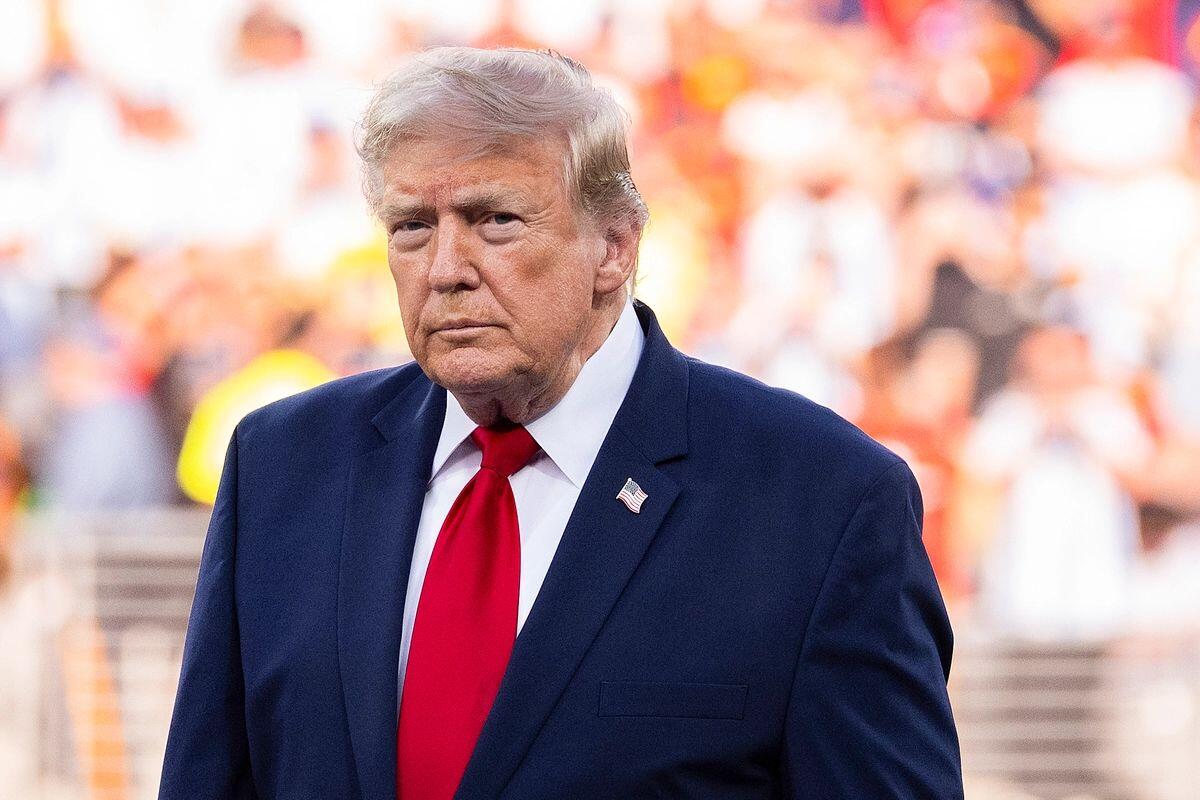
U.S. President Donald Trump said that Iran cannot do anything regarding its nuclear program without approval from Washington and that he would soon decide whether to resume renewed military operations against Tehran.

Trump’s remarks on Thursday came during an Oval Office exchange with reporters, who asked for comment on reports that Iranian negotiators are reviewing a new proposal put forward by regional mediators for a deal that would constrain Iran’s nuclear program.
“It doesn’t make any difference what they’re looking at,” Trump said. “They’re not going to have a nuclear weapon; they know that. So do I.”
Trump said that he would soon decide whether to resume major combat operations in Iran, clarifying that his preference would be for a negotiated solution rather than destruction of the Middle Eastern country.
“In Iran we are there for seven months, and we control everything that we’ve wanted to control, and now we’ll make a decision: do we want to go further,” he said.
“I think it’ll take them 25 years to rebuild the country. I would rather not destroy the rest of the country if possible, but maybe I’ll have to; you’ll know soon enough.”
For weeks, Trump has threatened to return to a full-scale bombardment of Iran after the midterm elections if Tehran remained unwilling to reach a negotiated settlement on terms acceptable to the United States, particularly regarding its nuclear program.
“We’re locked and loaded,” Trump told reporters Thursday. “If we have to do the rest of the Iran thing, we’re very much locked and loaded.”
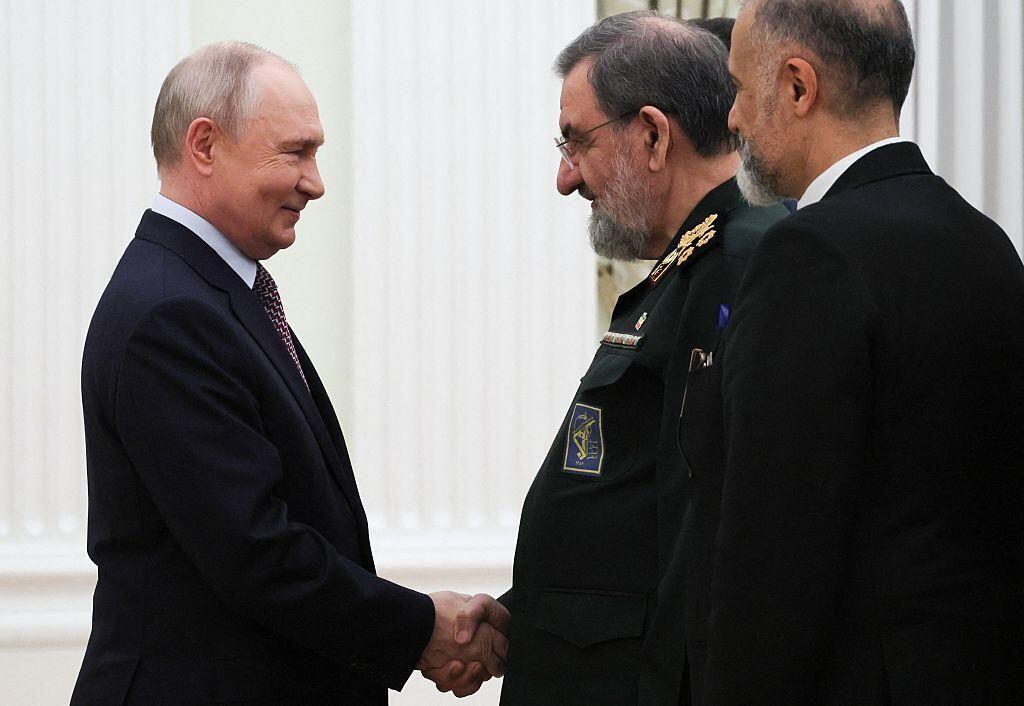
Iran’s top security official, Mohsen Rezaei, said earlier Thursday that Tehran had set seven conditions to reopen the Strait of Hormuz and enter negotiations with Washington.
“As long as they do not execute our seven conditions, we will neither open the Strait of Hormuz nor have negotiations,” he said during a visit to Russia.

Tehran’s demands include sanctions relief, the release of frozen Iranian assets, and paying war reparations.
Washington, meanwhile, insists that any initial talks address Iran’s nuclear program.
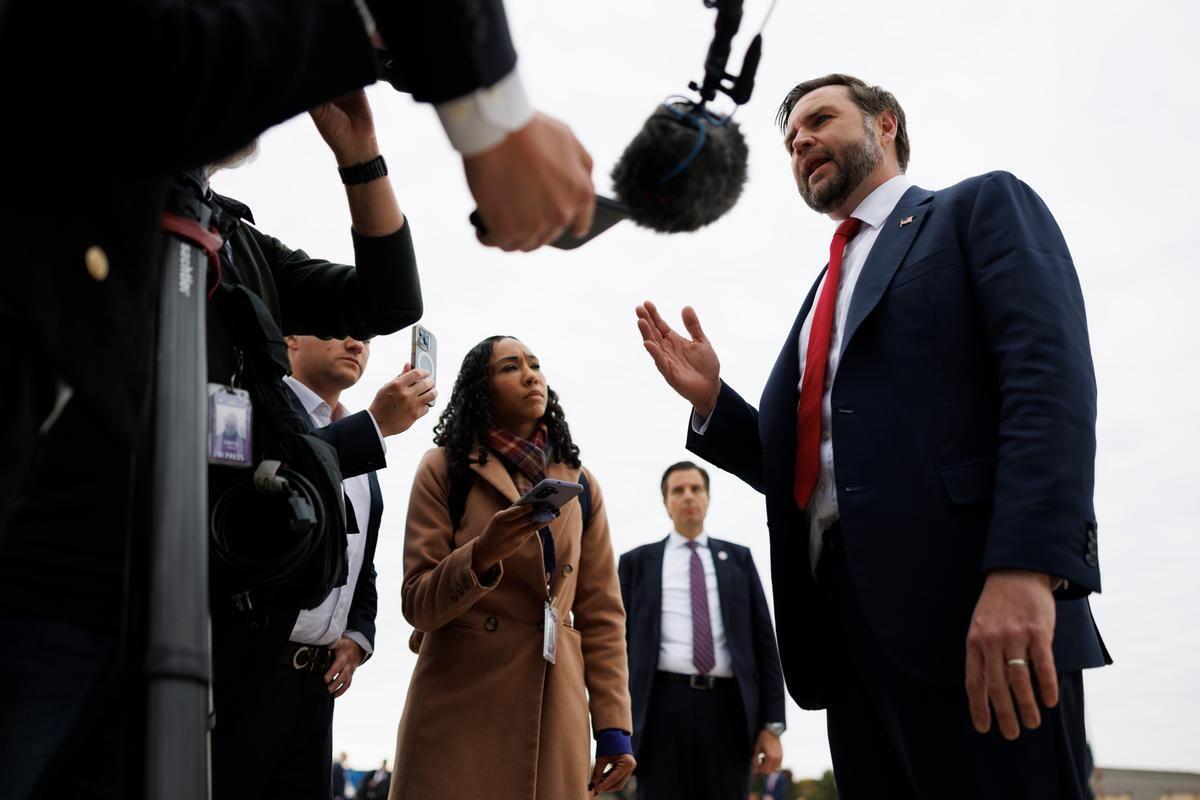
On Wednesday, Vice President JD Vance publicly questioned whether the Iran war was worth it and said it cost Republicans control of Congress in the midterm election.
Vance’s remarks stirred debate about whether Trump remained willing to proceed with a potential resumption of major combat operations against Iran. The president’s latest Oval Office remarks suggest that renewed military action remains under consideration.
Trump on Monday expressed optimism about a possible settlement with Iran as talks continued in Qatar, with Vance saying he and the president had discussed the matter and both “feel pretty good about the prospects for potentially coming to a negotiated settlement.”

“We’re going to keep working at it,” Vance said.
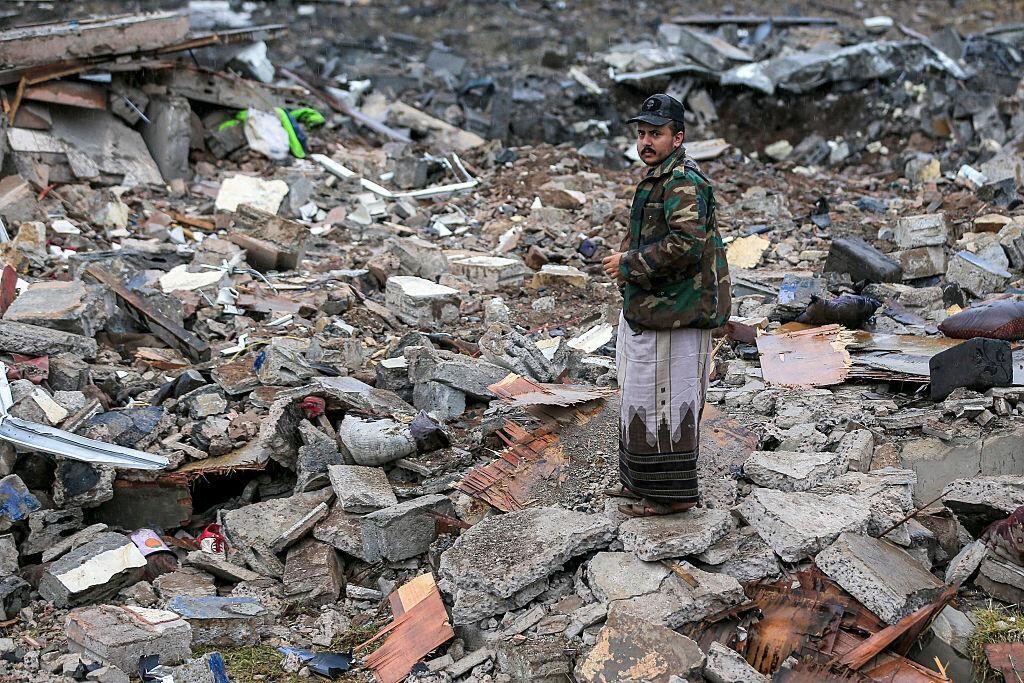
The U.S.–Iran conflict has spread regionally, with clashes between Iran-backed Houthis and a Saudi Arabia-led coalition in Yemen, Saudi Arabia, and parts of the Red Sea.
The Saudi-led coalition said Friday that its air defense systems intercepted two ballistic missiles launched by the Houthis toward Najran, a major city in Saudi Arabia.

“Debris fell as a result of the interception, and damage assessment is underway,” the coalition said in a Nov. 6 post on X.
Trump held a phone call with Qatari Emir Sheikh Tamim bin Hamad Al Thani to discuss the regional situation and efforts to de-escalate tensions, Qatar News Agency reported on Friday.
The two men discussed the latest international efforts, notably the initiatives led by the State of Qatar, to bridge the gaps between the concerned parties and support the negotiation process, to pave the way for reaching a comprehensive agreement that resolves the crisis and ensures security and stability in the region, according to the Qatar News Agency.
Al Thani highlighted the importance of continuing dialogue and embracing diplomacy as a means of resolving disputes, while calling for safeguarding freedom of navigation and energy supply security, the agency said.
Qatar has been mediating between Iran and the United States, with Qatari intermediaries shuttling proposals between Tehran and Washington.