70.2 F
Chicago
Thursday, October 1, 2026
Home Blog Page 2329

Chinese Offices Emptier Now Than During Peak Of Covid Lockdowns As Economy Crumbles

0
Chinese Offices Emptier Now Than During Peak Of Covid Lockdowns As Economy Crumbles

One week ago, we reported that China had found itself “On The Verge” of collapse as its “Welfare State Crumbles, Explosion In Social Unrest As Youth Unemployment Soars, Strikes Surge.” All of this was the result of Beijing’s very deliberate – and extremely risky – decision to not engage in a massive stimulus this time, unlike every previous occasion of sharp economist slowdown, and risk social unrest at best, or a full-blown revolution as an unthinkable worst case.

Here is the silver lining: all those revolutionaries will have brand new empty offices at their disposal when they finally take over. That’s because as the FT reports, offices in China’s biggest cities are emptier than they were during stringent Covid-19 lockdowns in what is the latest clear sign of how the country’s economic slowdown has crushed business confidence.

At least a fifth of high-end office space was vacant in the tech hub of Shenzhen in June, according to data from three real estate agencies, while office vacancy rates in Beijing, Guangzhou and Shanghai were also higher than in June 2022. Naturally, with demand collapsing, rents are at least 10% lower than they were two years ago and in many cases much lower.

While a rise of flexible working has made it hard for developers to fill office space in cities such as London and San Francisco, and led to an unprecedented commercial real estate crisis, in Chinese cities – where far fewer people work from home – analysts said there is a much simpler cause for explosion in office vacancies: the collapsing economy…. which is amusing considering the centrally-planned central government has set a full-year economic growth target of about 5%. The reality is that China’s economy is shrinking at that rate, if not much faster.

“The biggest challenge is still the significant reduction in market demand due to the weakening of China’s economic growth expectations,” said Lucia Leung, greater China research and consultancy director at Knight Frank.

In Shenzhen, Colliers put its prime office vacancy rate at 27% in June, up from 20% in June 2022. Monthly rental prices at premium offices in the southern Chinese city are now about Rmb163 ($22) per sq metres, down 15% year on year, and expected to keep declining at this pace for the foreseeable future. This matches the trend seen by Knight Frank and JLL.

The three agencies have recorded similar vacancy rises in other cities. Shanghai had a vacancy rate of nearly 21% for its high-end offices as of June, up from 14% in June two years ago, according to Knight Frank. Rental prices have slipped 13% year on year, the agency’s data showed. JLL puts manufacturing hub Guangzhou’s prime office vacancy at 21% as of June and 12% for Beijing, up from 16 and 10% in 2022, respectively.

Companies are trying to reduce costs, and this has “led them to be more prudent in their office leasing decisions”, Leung said, citing rental reductions in lease renewals. This environment remains “challenging” in China, Leung added, with the overall vacancy rate expected to continue to rise this year and rents forecast to fall by 8 to 10 per cent year on year.

Said otherwise, absent massive, constant stimulus China – like the US – simply can not function in its current parameters, and the result will be constant overcapacity-driven deflation across every sector until the government finally capitulates and injects the next several trillion in stimmies.

Part of the problem is new supply, said John Lam, head of China property research at UBS. According to Colliers, in Shanghai alone there were almost 1.6mn sq metres of new prime office space will be completed this year, this is the highest level of new supply in the past five years.

While foreign companies including many US law firms have downsized or vacated their offices in Shanghai or Beijing over the past two years, the office rental market is largely driven by domestic companies. And the office rental market will only get worse as ever more Chinese companies move to cheaper office buildings to cuts costs, Lam said, while state-owned enterprises are also looking to cut costs.

One lawyer at a major Chinese firm said they recently cut half of their space in an office building in Beijing’s central business area due to “downsizing and cost-saving”.

Zhang, a leasing manager at an office building in Beijing’s Lido area, told the FT that some smaller clients “cannot hold on any longer”, and most tenants want to renegotiate rent.  He said the prime office market environment was still “poor”. “Clients are downsizing,” added Zhang. “Those who used to occupy an entire floor might now use only half a floor, and those who had two continuous floors might also downsize.”

Hong Kong-based Hang Lung Properties’ office leasing revenue in mainland China fell 4 per cent year on year to Rmb556mn on “weakened demand” in the six months to the end of June, it said. The vacancy level in its flagship office building in Shanghai jumped from 2 per cent in June last year to 12 per cent in June this year.

“There will be downward pressure ahead,” chief executive Weber Lo told reporters last month. “What we hope to do now is to be able to keep our existing tenants.”

And as more tenants flee, more renters will be forced to shutdown and liquidate, forcing even more economic pain, even more economic contraction, as the Chinese feedback loop eventually forces the government to step in and short circuit China’s deflationary vortex.

Tyler Durden
Fri, 08/30/2024 – 23:30

UCSF Researchers Identify Major Driver Behind COVID And Long COVID, With Potential Treatment

0
UCSF Researchers Identify Major Driver Behind COVID And Long COVID, With Potential Treatment

Authored by Marina Zhang via The Epoch Times (emphasis ours),

Researchers at the University of California San Francisco have identified fibrin, a natural protein involved in blood clotting, as a major driver of the COVID-19 disease, according to a new study.

An electron microscope image shows SARS-CoV-2 (round gold objects), which causes COVID-19, emerging from cultured cells. NIAID via The Epoch Times

Fibrin binds to proteins from the SARS-CoV-2 virus to form blood clots that are difficult to break down, the authors found. This clotting then drives the various inflammatory and neurological symptoms seen in COVID-19 and long COVID, the researchers found.

Previous studies have theorized that blood clotting is a consequence of inflammation. However, the new Nature study, published on Wednesday, shows the reverse: that the clotting comes first.

“We know of many other viruses that unleash a similar cytokine storm in response to infection, but without causing blood clotting activity like we see with COVID,” Dr. Warner Greene, senior investigator and director emeritus at Gladstone and co-author of the study, said in a press release.

“Our study is the first to report causality for fibrin as the root of inflammation and brain pathology after COVID infection,” Katerina Akassoglou, senior author and professor of neurology at UCSF, told The Epoch Times on email.

By blocking fibrin using a novel antibody, the researchers were able to reduce clotting and neurological symptoms, offering a new potential therapeutic for patients.

Furthermore, the new study offers an explanation for the increase in cancers following COVID-19 infections. The researchers found that the abnormal clotting between COVID-19 spike proteins and fibrins reduces cancer-fighting immune cells known as natural killer (NK) cells.

Abnormal Clots From Fibrin and Viral Proteins

Prior studies have shown that a type of COVID-19 viral protein, known as spike, can form irregular clots with other proteins involved in clotting, creating blood clots that are hard to break down.

“We showed that the binding of fibrin to spike forms clots that have very high inflammatory activity,” Akassoglou said.

Researchers tested their findings in mice, infecting them with COVID-19 Beta and Delta variants.

They found fibrin bound to COVID-19 spike proteins to form irregular amyloid-like clots that are difficult to break down using traditional therapies.

The researchers found that the spike and fibrin clots would be deposited in the blood vessels, lungs, and the brains of mice, leading to scarring and inflammation, potentially driving breathing and neurological problems seen in long COVID-19 patients.

In the brain, COVID-19 infection caused protein deposits to be formed in the mice brains, triggering inflammation in brain cells.

“Furthermore, we showed that fibrin induces toxic inflammation, while suppressing NK cells that clear the virus,” Akassoglou said.

Mice that were genetically modified to not produce the right fibrin proteins had less inflammation when infected with COVID-19, the authors found. Their cancer-fighting natural killer cells were also more active at clearing out COVID-19 spike proteins.

The authors wrote that the reduced NK activity may explain some of the cancer and autoimmune cases seen post-COVID-19.

Clots Without Infections

The researchers also showed that even when there are no infections, just introducing the spike proteins to the mice could cause the formation of these abnormal clots.

Researchers exposed mice to subunits of the spike protein rather than the complete virus and clots still formed. They suggest that in long COVID, it may be the remnant spike proteins driving the disease.

While COVID-19 mRNA and adenovirus vaccines cause the body to produce spike proteins, the authors said that the vaccines would not cause these clots. “In general, COVID-19 RNA vaccines lead to small amounts of spike protein accumulating locally […] and the protein is eliminated,” they wrote.

They also point to a study conducted in over 99 million vaccinated individuals, saying that it showed no safety signals for blood-related conditions.

The study, which was funded by the U.S. Centers for Disease Control and Prevention (CDC), found COVID-19 vaccines were linked to few adverse events. Though at certain doses, people who took the COVID-19 mRNA and/or adenovirus vaccines had a slightly increased odds of contracting various clotting diseases.

Other clinicians, including Dr. Keith Berkowitz of Centers for Balanced Health and nurse practitioner Scott Marsland at the Leading Edge Clinic, disagreed with the UCSF researchers’ statements in the study.

Marsland and Dr. Paul Marik, chairperson of Front Line COVID-19 Critical Care Alliance, said that clotting is a common adverse reaction some people may experience following COVID-19 vaccination, though few studies have evaluated patients for such conditions.

Nonetheless, the clinicians said that they were pleased to see discussions opening up on the drivers of long COVID symptoms and possible harms from spike protein.

Therapeutics for Clotting

The researchers of the Nature study designed an antibody made to target fibrin and administered it to mice.

Mice that were previously infected with COVID-19 had an improvement in their inflammation, scarring, clotting, brain damage, and overall survival after being given the antibody.

Giving the antibody for prevention  similarly reduced inflammation and organ damage.

Common anticoagulants, which are medications that prevent blood clots, can increase bleeding risks while this antibody does not increase the risk of bleeding, the authors said. It is highly selective for the inflammatory form of fibrin and does not have the adverse effects like those observed with some anticoagulants, Akassoglou said.

A humanized version of Akassoglou’s fibrin-targeting immunotherapy is already in Phase 1 safety and tolerability clinical trials in healthy people funded by the biotechnology company Therini Bio.

Outside of the monoclonal antibody tested, Berkowitz, who has been treating clotting in long COVID patients, suggest anticoagulants like nattokinase which has been shown to break down spike protein in cell studies.

Research by Resia Pretorius, distinguished professor and head of the physiological sciences department at Stellenbosch University, South Africa, has shown that a combination of three different anticoagulant drugs, including aspirin, clopidogrel, apixaban, and a proton pump inhibitor, helped reduce abnormal clots and improved long COVID symptoms such as fatigue, joint pains, brain fog, and more.

Marsland said he found sulodexide, a drug not FDA-approved in the United States but approved in Europe, to be highly effective in treating clotting without increasing people’s risks of bleeding. Sulodexide is a drug that is used to treat thrombotic diseases and diabetic neuropathy.

Tyler Durden
Fri, 08/30/2024 – 23:05

Zelensky Calls For India Peace Summit In Effort To Get BRICS In Ukraine’s Corner

0
Zelensky Calls For India Peace Summit In Effort To Get BRICS In Ukraine’s Corner

Ironically at a moment Ukraine is still engaged in its highest risk operation of the entire war (the now three-and-a-half week-long Kursk ground incursion) the Zelensky government has of late been talking peace, which is only a fairly recent talking point.

On Friday Ukrainian President Volodymyr Zelensky unveiled that he’s pushing for an international peace summit to be hosted by India aimed at ending the war with Russia. Zelensky reportedly raised the possibility with Narendra Modi during the Indian prime minister’s first-ever visit to Kiev last week.

The proposal is clearly part of Zelensky’s ongoing efforts to get powerful BRICS countries on board with Ukraine’s own ‘peace formula’. China has previously been a focus of Keiv’s efforts, and now it appears Zelensky is pivoting efforts toward New Delhi.

Beijing, however has sat on the sidelines–particularly when it came to the June 2024 peace summit held in Switzerland–despite pressure from Kiev for the Xi government to lean on Putin to end the invasion.

As for this new diplomatic focus on India, Bloomberg writes:

A Zelenskiy spokesman, Serhiy Nykyforov, said Ukraine is weighing holding the follow-up summit in a country of the Global South, including India “in particular.”

Ukraine’s ’10-point peace formula’ includes the demand that Russian forces immediately withdraw from all places it occupies in the country’s east (particularly the Donbass). But from Moscow’s point of view (and perhaps China’s) this is a non-starter.

Earlier this week Zelensky revealed that he intends to present the White House with a plan for victory against Russia.  He specified that his plan will also be directly presented to Vice President Kamala Harris as well as former President Donald Trump as the two candidates head into the November election.

“The plan is prepared. I think it’s right that I first present this plan to the US President.” Zelensky was quoted in Ukrainian media as saying. “The success of this plan depends on whether we get what is outlined in it, or if we are free to use what is included.”

“Kursk region is part of our plan—Ukraine’s victory plan. It may sound overly ambitious to some, but for us, it’s an important plan,” Zelensky had revealed.

One of the stated aims of the Kursk operation is to humiliate the Russian government and military, and to show the West that Putin’s ‘red lines’ are are but bluffs and that there will be no significant retribution in terms of escalation.

Some pundits have pointed out that India will never give up its oil and trade relationship with Russia despite Ukraine and Washington’s pleadings…

Ukrainian officials have expressed hope that Kursk can be used to invite more direct intervention of NATO countries. Ultimately, the end-game from Kiev’s point of view appears to be to use the invasion of Russian territory to build immediate leverage potentially going into the negotiating table. The strategy of getting China and India on board comes in this context. 

Tyler Durden
Fri, 08/30/2024 – 22:40

Nearly Half of FDA-Approved AI Devices Not Based On Real Patient Data

0
Nearly Half of FDA-Approved AI Devices Not Based On Real Patient Data

Authored by Huey Freeman via The Epoch Times (emphasis ours),

Researchers from the University of North Carolina have called for more rigorous testing of artificial intelligence (AI)-powered medical devices, following a comprehensive study of nearly three decades of U.S. Food and Drug Administration (FDA) authorizations.

The U.S. Food and Drug Administration (FDA) in White Oak, Md., on June 5, 2023. Madalina Vasiliu/The Epoch Times

The study, published in Nature Medicine, found that nearly half of AI medical devices authorized by the FDA were not based on real patient data, raising concerns about their safety and effectiveness in real-world patient care.

Some devices used simulated images, not real patient data, which technically didn’t qualify as testing in real patients, also known as clinical validation.

Although AI medical devices serve many useful purposes, including detection of cancer and strokes on radiology scans, this study shows they also bring with them potential dangers.

“We shared our findings with directors at the FDA who oversee medical device regulation, and we expect our work will inform their regulatory decision making,” Sammy Chouffani El Fassi, a doctor of medicine candidate at the University of North Carolina Medical School and first author, said in an interview with The Epoch Times.

The study, completed in about 18 months, included eight authors, as well as a large team of consultants from academic institutions and corporations.

The study highlighted the rapid growth of AI medical devices, with FDA authorizations increasing from two to 69 annually between 2016 and 2022.

A Need for Higher Standards

Researchers recommend the FDA require clinical validation for all devices, meaning testing on real patients so scientists can see that they work, Chouffani El Fassi said.

Their analysis revealed that only 56 percent of approved devices had this validation.

After analyzing FDA authorizations from 1995 to 2022, researchers recommended establishing a “gold-standard indicator” of safety and effectiveness. Most authorized devices were for radiology, with 75 percent in this category. Nearly all were classified as intermediate-risk class II devices. Class II devices include diagnostic devices like X-ray machines, surgical devices like catheters and sutures, and therapeutic devices such as pacemakers and hearing aids.

“For the public to accept FDA authorization as an indication of effectiveness, the agency and device manufacturers must publish ample clinical validation data,” the researchers wrote.

Effectiveness Proven By Testing in Patients

“We believe having more clinical validations published will reduce barriers to implementation,” Chouffani El Fassi, said. “It will increase the public trust in the whole technology. It is powerful what this technology can do. It can predict the onset of disease before it even starts.”

Chouffani El Fassi acknowledged that the field is relatively new and that the full extent of potential harm is unknown.

The devices analyzed in the study were categorized as low-risk, he said. They are not intended to replace doctors but rather to assist and augment their work.

“There is a limit to what kind of harm they can do to people,” Chouffani El Fassi said. “That is why they get authorized. At the end of the day even if an AI health tool helps read a chest X-ray, for example, a human physician is going to read over that X-ray. The AI helps triage the scans and helps the physicians to look over some scans sooner.”

Testing in Patients Can Be Simple

Testing in patients is not always performed because they are a rigorous, costly process, Chouffani El Fassi said.

The study sought to establish a standard for clinical validation.

Researchers prefer prospective validation as they provide stronger evidence, according to Chouffani El Fassi. Prospective validation tests the AI machine on new data while retrospective validation tests the AI machine on historical data. In prospective validation tests, researchers may conduct randomized controlled trials to compare device users to a control group.

“That is the gold standard for medicine because you are comparing the group of health care professionals that used the device and a control group that did not use the device,” Chouffani El Fassi said.

The Epoch Times reached out to the FDA for comments. Two device manufacturers declined to comment.

Tyler Durden
Fri, 08/30/2024 – 22:15

Data Centers In ‘Spy Country’ Northern Virginia Face Seven-Year Hookup Wait

0
Data Centers In ‘Spy Country’ Northern Virginia Face Seven-Year Hookup Wait

Since the beginning of the digital age, most of the world’s internet data has flowed through massive data centers in Northern Virginia. The area is known as “Data Center Alley” because it’s home to the world’s largest concentration of data centers. Some call the area ‘spy country’ because of the number of data centers used by the Central Intelligence Agency and other intelligence agencies. 

The proliferation of AI data centers across Virginia’s Loudoun County has created a massive bottleneck of delayed hookups for large data centers by energy supplier Dominion Energy. 

According to Bloomberg, because of the surge in hookup requests, data centers that require more than 100 megawatts of electricity could take one to three years and/or as long as seven years to be wired into the local power grid. 

The longer wait time applies only to large data centers that need more than 100 megawatts of electricity and won’t affect projects that have already been evaluated, according to a letter the company’s transmission arm sent its regulated utility as well as co-ops and local utilities. Almost all loads that big in Dominion’s territory are data centers. -BBG

Dominion’s ability to beef up the power grid and supply data centers with additional load capacity appears to be challenged by the artificial intelligence boom. A presentation by the power company in June showed power demand by data centers in Virginia soared by 500% from 2013 to 2022. 

Mid-Atlantic grid operator PJM Interconnection now requests Dominion to provide a 15-year data center forecast instead of a five-year outlook because of soaring power demand. The rise in power isn’t just due to AI data centers but also other electrification trends, including electric vehicles and 5G technology. 

In a recent note, S&P Global showed that about 80% of the data center industry in Virginia is centered around Loudoun County. 

Source: S&P Global

The rapid acceleration of AI data centers has hit its first major hurdle: power companies are facing massive backlogs, delaying timely hookups.

Tyler Durden
Fri, 08/30/2024 – 21:50

Anti-Inflammatory Diet May Reduce Dementia Risk By Up To A Third: Study

0
Anti-Inflammatory Diet May Reduce Dementia Risk By Up To A Third: Study

Authored by Jennifer Sweenie via The Epoch Times (emphasis ours),

A study published in JAMA Open Network this month uncovered a link between diet and brain health. The research revealed that individuals who adhered to an anti-inflammatory diet saw a 31 percent reduction in their risk of developing dementia.

Tatjana Baibakova/Shutterstock

The observational study set out to examine the effects of an anti-inflammatory diet in those with an existing cardiometabolic disease, such as heart disease, Type 2 diabetes, and stroke. The authors found that individuals with one of these risk factors are less likely to develop dementia if they adhere to consuming anti-inflammatory foods.

Abigail Dove, the lead study author and a doctoral student at the Aging Research Center at Karolinska Institutet in Stockholm highlighted the uniqueness of their study in an email to The Epoch Times. “Our study is distinctive in that it delves into the relationship between diet and dementia within the context of a major dementia risk factor: cardiometabolic diseases (CMDs).”

Dementia is an umbrella term used to describe a range of symptoms associated with a decline in memory severe enough to interfere with a person’s ability to perform everyday activities. It is caused by damage to brain cells, and the most common type is Alzheimer’s disease. There is an established link between diet and dementia.

A systematic review published in Frontiers in Neuroscience in 2023 found that certain dietary patterns may slow the progression of Alzheimer’s, while a standard Western diet is a risk factor. Recent research has also linked blood sugar regulation to dementia, highlighting the importance of ongoing research in this field.

The new findings underscore the promising potential of dietary interventions in preserving cognitive function as we age. Understanding which foods promote inflammation and which prevent it may minimize your risk of developing dementia.

The Link Between Cardiometabolic Disease and Dementia

Cardiometabolic diseases are well-established risk factors for dementia. Dove pointed out, “Individually, each of these diseases [Type 2 diabetes, heart disease, and stroke] is associated with 1.5-2x increased risk of dementia, and this becomes even stronger for people who have more than one CMD (for example type 2 diabetes plus heart disease).”

Dove noted that this new research points to how dietary modifications may serve as a strategy to temper the likelihood of dementia in such a high-risk group of individuals. People with cardiometabolic diseases have more overall inflammation, making adopting an anti-inflammatory dietary pattern a potentially critical approach.

Dove said that an anti-inflammatory diet lessens systemic inflammation in the body, which may slow the progression of injury in the brain and the eventual development of dementia. It is still unclear as to why people with cardiometabolic diseases are more at risk of developing dementia than those without. The connection exists, but studies are still underway to uncover the precise mechanisms, she said.

“It seems that CMDs [cardiometabolic diseases] share similar underlying biology with dementia. The heart pumps blood through a vast network of blood vessels spread out throughout the entire body, including the brain,” Dove said. “Heart problems—for example an irregular heart rhythm or stiffening of the heart’s pumping chambers—can cause blood flow to the brain to become irregular, therefore restricting the brain’s supply of oxygen and important nutrients, gradually starving brain cells over time.”

“Type 2 diabetes can lead to brain wear and tear: when excess sugar from the blood enters the brain, it can break down the protective coating that surrounds brain cells, making them less efficient and more vulnerable to damage,” she continued, “Stroke occurs when blood supply to a part of the brain is cut off, essentially suffocating brain cells and leaving severely damaged tissue behind.”

Study Details

Using data from the UK Biobank, the researchers constructed a sample of more than 80,000 adults aged 60 and above without dementia at baseline. The individuals were tracked for up to 15 years, with a median follow-up period of 12.4 years. During the follow-ups, participants filled out a comprehensive food questionnaire.

The models were adjusted for baseline age, sex, education level, and caloric intake, as well as race, ethnicity, socioeconomic status, and vascular risks, including body mass index, hypertension, smoking, and physical activity. The status of a genetic risk factor for late-onset Alzheimer’s disease, APOE ε4, was also assessed.

The study measured 206 foods and 32 drinks, ranging from vegetables and green tea to brownies and beer. However, the inflammation index calculated was not based directly on consumption of these particular foods. The researchers used a more nuanced approach to assess inflammation from diet. Each nutrient in the measured foods was designated an inflammatory effect score.

“The data about these specific foods and drinks was used to estimate the amount of different vitamins, nutrients, spices, etc. that people consumed. It is these more granular items that were used to calculate dietary inflammation,” said Dove.

“This is basically how strongly anti- or pro-inflammatory the nutrient is, based on meta-analyses of previous studies correlating the nutrient to inflammatory markers in the body,” she said.

Once an inflammatory score was calculated for each participant’s diet, Dove said, they were divided into three groups. One-third were categorized as having an anti-inflammatory diet, one-third as having a pro-inflammatory diet, and one-third as having a neutral diet.

MRIs were done to measure the total brain volume. “Reduced gray matter volume is an indicator of neurodegeneration (i.e., loss of brain cells), a key type of brain damage underlying dementia. In our study, CMDs and pro-inflammatory diet were both associated with lower gray matter volume,” said Dove.

“They were also both associated with smaller hippocampal volume,” she continued, “The hippocampus (which is composed of gray matter) is a region of the brain that is specifically dedicated to memory processing. Neurodegeneration/loss of volume in this area is an especially important marker for dementia, since memory loss is the key symptom of dementia.”

While the study found an association between lower systemic inflammation and more favorable brain markers in the MRIs with a lower risk of dementia, Dove noted that a causal conclusion cannot be drawn just yet, “Interventional studies in which participants are randomized to an anti-inflammatory vs. pro-inflammatory diet would be required to conclusively test this hypothesis.”

As to whether an anti-inflammatory diet could be beneficial for people seeking to mitigate their risk of developing dementia later in life, whether or not they have any cardiometabolic diseases, Dove said, “Yes, the main takeaway of the study is that adhering to an anti-inflammatory dietary pattern was associated with lower risk of dementia in both people with (-31%) and without (-21%) CMDs.”

Anti-Inflammatory Foods to Add to Your Diet

If you are seeking to minimize your risk of developing dementia, adding anti-inflammatory foods to your diet may help combat systemic inflammation. Examples include:

  1. Berries
    Berries, including blackberries, blueberries, raspberries, and strawberries, contain a high amount of antioxidants known as polyphenols that can help fight inflammation.
  2. Nuts
    Nuts are rich sources of antioxidants with anti-inflammatory potential. A review published in Nutrients in 2023 found that tree nuts and peanuts can help lower risk factors for cardiometabolic diseases.
  3. Fatty Fish
    Fish such as salmon, sardines, anchovies, and mackerel are good sources of anti-inflammatory omega-3 fatty acids.
  4. Avocado
    Certain compounds in avocados are linked to anti-inflammatory properties.
  5. Green Tea and matcha
    EGCG, a component of green tea, is known to regulate inflammation.
  6. Olive Oil
    A study published in the International Journal of Molecular Sciences in 2018 found that oleocanthal, a compound present in extra virgin olive oil, has similar effects as the nonsteroidal anti-inflammatory drug ibuprofen when ingested in the same amounts.
  7. Vegetables
    Leafy greens are high in the antioxidant beta-carotene, which reduces inflammation. Peppers, such as bell and chili, contain vitamin C and quercetin, both of which have been shown to lower inflammation. Sulforaphane, an antioxidant found in cruciferous vegetables such as broccoli, cauliflower, and Brussels sprouts, is shown to prevent inflammation.
  8. Turmeric
    Turmeric is rich in curcumin, which has been shown to contain anti-inflammatory properties.
  9. Mushrooms
    Mushrooms are rich in antioxidants. Though more research is warranted, an animal study published in Antioxidants in 2019 found that lion’s mane may offer neuroprotective and anti-inflammatory qualities.

Inflammatory Foods to Avoid

While adding anti-inflammatory foods to your diet may help assuage systemic inflammation, removing common inflammatory culprits is another practical approach:

Naria Le Mire, a registered dietitian, shared which foods to avoid with The Epoch Times via email: “I always advise my clients to limit their intake of sugary beverages, pastries, high-fat animal products, refined carbohydrates like white rice and pasta, processed meats such as hot dogs, and alcohol to prevent chronic diseases such as diabetes, heart disease, and gut issues, which are connected to chronic inflammation.”

Tyler Durden
Fri, 08/30/2024 – 21:25

FBI Repeatedly Botches Child Abuse Investigations, New Report Finds

0
FBI Repeatedly Botches Child Abuse Investigations, New Report Finds

A scathing new report from the U.S. Department of Justice’s Office of the Inspector General (OIG) has found that the FBI has repeatedly failed to comply with its own policies and federal laws regarding the handling of tips on child sexual abuse. The audit, which follows up on the infamous mishandling of allegations against former USA Gymnastics physician Lawrence Nassar, uncovered significant gaps in the bureau’s response to serious allegations involving suspected child abuse.

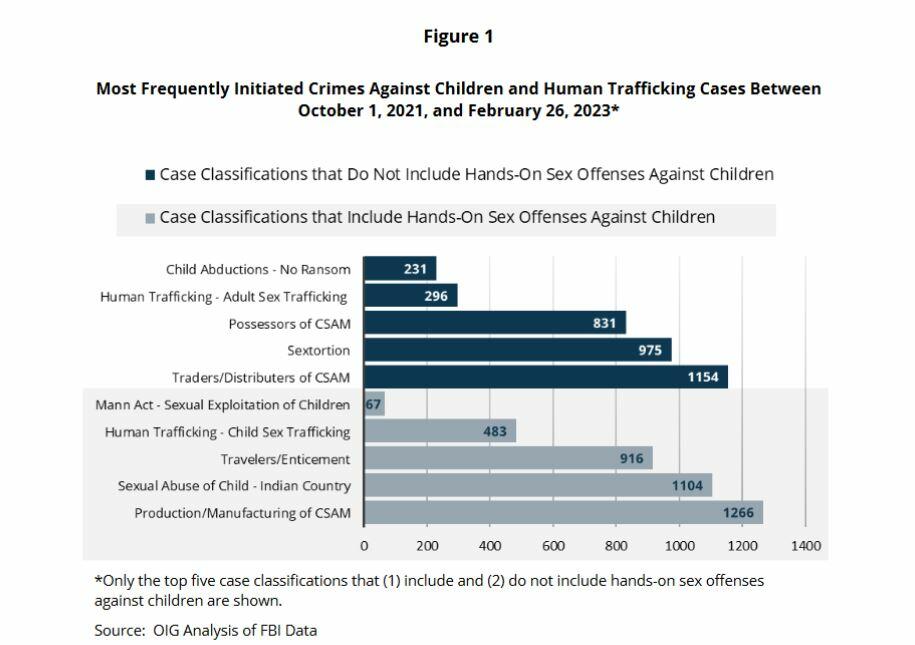
The audit, covering the period between October 2021 and February 2023, scrutinized 327 incidents of alleged hands-on sex offenses against children and found that the FBI has been non-compliant in key areas, including mandatory reporting, victim services, and timely responses to ongoing abuse. Particularly concerning is the revelation that 13% of the reviewed cases were flagged for immediate attention due to substantial deficiencies that could have left children in harm’s way.

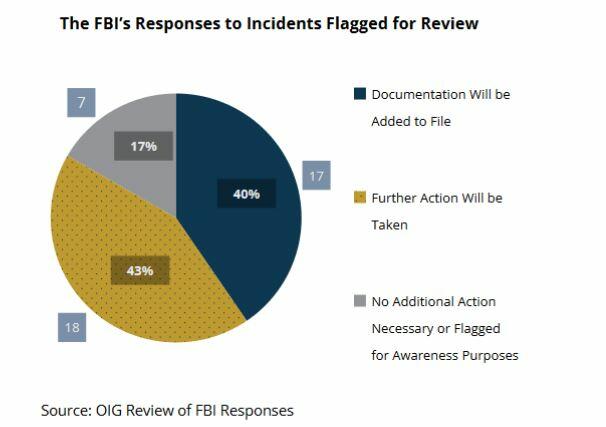
“We found the FBI does not document and process all incoming tips and allegations within Guardian and 40 percent of the incidents we reviewed did not include evidence that the FBI responded to an allegation involving active or ongoing child sexual abuse within 24 hours as required by FBI guidance,” reads the report.

Gaps in Mandatory Reporting

According to the report, FBI employees failed to comply with mandatory reporting laws in 47% of incidents involving suspected child abuse. In some cases, there was no evidence that FBI employees had made the required reports to state or local law enforcement or social services agencies. The lack of compliance persisted despite updated training and policies implemented after the Nassar scandal aimed at ensuring FBI personnel understood their obligations as mandatory reporters.

““In our review, we found that for 36 percent of eligible victims in our sample, there was no evidence that the victim received appropriate services or updates,” reads the report.

Moreover, even when FBI employees did report suspected abuse, they often failed to do so within the 24-hour window required by FBI policy. The audit found that only 43% of the reports were made within the mandated timeframe, and just 17% of those reports were fully documented as required.

Investigations Left Stalled and Unaddressed

One of the most troubling findings of the audit was the significant number of cases where the FBI did not take timely or adequate action in response to allegations of child sexual abuse. In one instance, the bureau received a tip about a registered sex offender allegedly involved in ongoing abuse but took over a year to initiate any substantive investigative action. During this period of inaction, the subject reportedly victimized at least one additional minor.

Another case highlighted in the report involved a complaint of sex trafficking of minors that languished without investigation for nearly a year. The report notes that such delays could have catastrophic consequences, potentially allowing abusers to continue preying on children.

Victim Services Lacking

The report also points to deficiencies in providing victim services, a critical component of handling child sexual abuse cases. In 36% of eligible cases, the FBI failed to provide victims with information about available services or case status updates. The lack of victim engagement raises questions about the bureau’s commitment to supporting those it is mandated to protect.

Internal Mismanagement and High Caseloads

The OIG’s findings suggest that some of the FBI’s deficiencies stem from internal management issues, such as high caseloads among agents in its Crimes Against Children and Human Trafficking program. Agents often found themselves overwhelmed with cases, making it difficult to immediately respond to new allegations or properly document investigative steps.

The report calls for the FBI to re-evaluate the distribution of cases and enhance training for its employees to improve compliance with laws and policies governing child abuse investigations.

Looking Ahead

The OIG report comes as the FBI faces increased scrutiny from Congress and child advocacy groups regarding its handling of child abuse cases. The audit makes 11 recommendations for the FBI to improve its practices, including better oversight, stricter compliance with mandatory reporting laws, and enhanced victim support.

While the FBI has made some progress in addressing the issues identified in the Nassar report, the latest findings underscore the need for more comprehensive reforms. As child safety advocates demand accountability and action, the question remains: Will the FBI rise to the challenge, or will these failures continue to jeopardize the safety and well-being of the most vulnerable?

Tyler Durden
Fri, 08/30/2024 – 21:00

Israel Withdraws From Khan Younis After Nearly Month-Long Major Operation

0
Israel Withdraws From Khan Younis After Nearly Month-Long Major Operation

Israel’s military has withdrawn from eastern Khan Younis following a nearly month-long major ground operation, which has left central parts of the southern Gazan city utterly destroyed. 

On Friday, Gaza health authorities have recovered at least nine bodies in the rubble, following many civilian and militant deaths over the course of the IDF’s 22-day operation. Israel’s army has said the operations focused on Khan Younis and Deir al-Balah has killed over 250 militants over the past month.

The IDF has issued official statements in Arabic telling Khan Younis residents that they may return to their homes and (mostly destroyed) neighborhoods, if they still have homes to return to.

Anadolu/Getty Images

The army has been cited as describing that “Tunnel routes used by the Palestinian militant group Hamas with a total length of more than 6 kilometres were destroyed during the operation and the bodies of six hostages recovered.”

These deceased hostage recoveries took place earlier this month, and the circumstances of their deaths are still under investigation.

An Al Jazeera correspondent currently based in central Gaza says that the IDF’s announcement of the end of Khan Younis operations and the ability of civilians to return is misleading and is a ruse.

“The [latest] Israeli evacuation orders are perceived as misleading and contradictory,” Hani Mahmoud has warned. “They are very similar to orders in which people were told to evacuate to area that were supposed to be safe but they ended up being killed in those areas.”

The Al-Jazeera correspondent continues, “This is what we’re seeing right now with the withdrawal [of Israeli troops] from some of the areas in the eastern part of Deir el-Balah City and from the eastern part of Khan Younis.”

Meanwhile a ‘polio pause’ in fighting is still expected to begin in central Gaza on Sunday…

But despite the hopes that limited pauses in fighting could allow some 2,000 UN health workers to begin vaccinating hundreds of thousands of Palestinian children could eventually lead to a more permanent ceasefire, all signs point to an IDF expansion in operations.

Israeli newspaper Haaretz and Israeli Army Radio have just reported that the Israeli government is expending an order for the recruitment of 350,000 reservists. This order is in effect through the end of 2024.

Tyler Durden
Fri, 08/30/2024 – 19:20

From Price Controls To Mass Starvation

0
From Price Controls To Mass Starvation

Authored by Peter St. Onge via Money Metals,

From taxes to spending, Kamala is the most left-wing major party candidate since George McGovern — who proposed a Universal Basic Income in 1972 and went on to win a single state.

But her most hare-brained scheme — so far — has been price controls, where she’s to the left of McGovern, threatening to punish grocery stores for daring to charge more than their costs.

In fact, grocery stores make 1 to 2 pennies on the dollar. Meaning they have to pass along costs that come straight from the Washington money printer.

That means price controls would, in short, break food.

Price Controls Always Fail

In a recent video I mentioned how price controls have been tried many times, and each time they failed so spectacularly they were repealed. After much pain, suffering, and empty shelves.

When France tried, they got a black market that actually did price gouge. Even Venezuela repealed price controls in 2016 after food shortages and nationwide riots.

But what do price controls look like in reality? For that I go to a great thread by Robert Sterling, a former M&A executive at one of the biggest food producers in America.

Robert walks us through a thirteen step process from grocery price controls to widespread food shortages — something we haven’t seen in this country since the Great Depression, when FDR also imposed price controls.

Stage One: Bankrupt Grocers

So, first, the government announces grocery stores can’t raise prices even though inflation continues — courtesy of the Fed and Wall Street. That means their costs keep going up, so those pennies of profit turn into losses.

Like any business that’s losing money, they shut down.

Of course, not all grocery stores are created equal — small ones lack economies of scale, and while rich people buy high-margin vegetables and expensive cuts, the poor buy low-margin packaged foods.

So the small stores and the low-income stores go first.

You get food deserts, as people in urban centers or rural areas have to drive miles — or take multiple buses — to find food. And, ironically, you get more concentration, as the little guys drop out.

The survivors increasingly aren’t even selling food. They shift shelf-space to things that aren’t price-controlled. Clothing, furniture, supplements.

Grocery stores start to look more like a Dollar Store, with a little food and a lot of junk.

As cities clear of food, you’d need police patrolling parking lots and armed escorts on delivery trucks — perhaps you could even have government-run groceries like Chicago just announced.

Stage Two: Bankrupt Food Producers

The only way to save any grocery stores is to price-control their costs. Meaning food producers like Kraft, Heinz, Tyson, Hormel.

Of course, again, Kraft’s costs aren’t being controlled — their ingredients, wages, parts and electricity. So now they’re losing money.

Like groceries, they wind down, closing marginal factories and running out equipment then not replacing it.

As food producers downsize or go under, now you start getting actual shortages. And the only solution — once again — is price control the next level down. Farmers.

Stage Three: Bankrupt Farmers

Which brings us to the final stage. Because remember Farmers, too, are now forced to sell at a low price, yet their inputs like fertilizer or tractors are still going up.

They, too, go under.

You are now full Venezuela, with the only alternative to starvation a complete government takeover of the food supply, centrally planned from farmer to grocer.

As Sterling puts it, “The government will struggle to operate one of the most complex industries on the planet. The entire food supply chain starts imploding.”

“Imploding” as in starvation.

What’s Next

It’s very unlikely we’ll get to the point of starvation. For the simple reason that at some point the frog boils and the voters — or rioters — share their thoughts with policymakers.

That’s exactly why price controls fail, from France to Venezuela.

Having said, we managed it before under FDR.

And, unfortunately, if the morons running Kamala’s brain trust are dumb enough for price controls, they’re dumb enough for a whole lot more.

(Article image is Florence Thompson “Migrant Mother,” a migrant pea farmer family by Dorothea Lange in March 1936)

Tyler Durden
Fri, 08/30/2024 – 18:55

20 Migrants Attempt To Board California School Bus Full Of Children

0
20 Migrants Attempt To Board California School Bus Full Of Children

Today in “victories by our Border Czar Kamala Harris” it was reported that this past week a group of about 20 migrants tried to board a children’s school bus in California, “terrifying” the children. 

And the incident came one day after another group of migrants were walking down the highway trying to stop another bus, according to a report by the NY Post. On Tuesday, at least 3 migrants were in traffic on Highway 94 trying to stop a bus that was ultimately forced to go around them. 

Then, early Wednesday, about 20 people tried to board a bus at a stop near the highway while students were getting on for school.

Both incidents took place in the Jamul-Dulzura Union School District close to the Mexico border, according to the Post. 

Mother of one child, Nicole Cardinale, said: “It was definitely really scary. Your initial shock is you’re helpless.”

“He said these adults — they weren’t kids — had backpacks on and they were trying to get on our bus … He said there was a lot of them,” she continued, stating that the kids were “really confused” by the episode. 

She continued: “It’s just scary that these kids were put in that situation. If those 20 people would have gotten onto the bus and tried to take over the bus, these kids and the bus driver could have been in real danger.”   

The NY Post writes that the district reported the incident to the California Highway Patrol, San Diego County Sheriff’s Department, and US Border Patrol. Of course, an “activist” assisting at the nearby border suggested the migrants might have seen the bus as a way to reach a safer area with support.

The Sheriff’s office commented: “The Sheriff’s Office takes issues regarding student safety very seriously and are working with the school district in order to keep the students and our community safe.”

And School district Superintendent Liz Bystedt is telling drivers to skip bus stops where there are migrants nearby. She said: “Please stay [vigilant] and if the bus drives by, please follow the bus to pick up your child at the next stop.”

Sounds like a reasonable long-term solution that’ll definitely stop the problem at its source…

Tyler Durden
Fri, 08/30/2024 – 18:30