58.1 F
Chicago
Monday, May 4, 2026
Home Blog Page 233

SpaceX Enters Secretive Pentagon Contest To Build Voice-Controlled Drone Swarm Tech: Report

0
SpaceX Enters Secretive Pentagon Contest To Build Voice-Controlled Drone Swarm Tech: Report

Last week, we asked whether Anthropic’s AI tool, Claude, played a role in the kill chain during the U.S. Delta Force raid targeting Maduro last month. We’ve also reported on the Department of War’s search for “war unicorn” startups, and what appears to us to be the early innings of the rise of dual-use technologies – from humanoid robots to drones – reshaping the modern battlefield.

A new Bloomberg report states that Elon Musk’s SpaceX and its wholly owned subsidiary, xAI, are competing in a classified DoW contest to develop voice-controlled, autonomous drone-swarming technology. This report is based solely on “people familiar with the effort.”

The people describe the DoW content as lasting for 6 months with an end price of $100 million. The aim is to use chatbots to direct commands to drones across multiple domains, air and sea, to complete a set of missions.

The contest is jointly run by the Defense Innovation Unit and a new Defense Autonomous Warfare Group element within U.S. Special Operations Command, and remains associated with the Biden-era “Replicator” push to deploy drones on the modern battlefield.

The report highlights a potential shift for Musk: While SpaceX is already a major defense contractor in the space domain, he has supported limiting offensive capabilities for autonomous weapons and previously signed a 2015 open letter warning about AI weapon risks.

Why Musk has changed his mind on autonomous weapons remains unclear. But as we’ve shown readers, the war in Ukraine has supercharged the development of drones, ground robots, and AI kill chains, pulling 2030s-era war technology forward and leaving the world dangerously unprepared for the rise of this new war tech.

However, the DoW has recently recognized this new, challenging future, as we note that the rise of “war unicorns” is underway, with major defense primes facing an “adapt or die” moment.

xAI has been recruiting engineers with active “secret” or “top secret” clearances and has already secured DoW-related work to integrate its Grok chatbot into government systems, including a previously reported $200 million contract.

Bloomberg noted, “xAI isn’t the only advanced AI company working on the new Pentagon effort. OpenAI is supporting a successful submission from Applied.”

Related:

The writing is on the wall: 2030s war tech is here.

Tyler Durden
Tue, 02/17/2026 – 11:00

Trump Calls In FEMA To Respond To Sewage Disaster In Potomac River

0
Trump Calls In FEMA To Respond To Sewage Disaster In Potomac River

Authored by Jill McLaughlin via The Epoch Times,

President Donald Trump is directing federal emergency teams to respond to a sewage spill on the Potomac River, calling it a “massive ecological disaster” and blaming local leaders for not handling the crisis, which began nearly a month ago.

“There is a massive Ecological Disaster unfolding in the Potomac River as a result of the Gross Mismanagement of Local Democrat Leaders, particularly, Governor Wes Moore, of Maryland,” Trump posted on Truth Social on Feb. 16.

Moore’s office didn’t immediately return a request for comment on Trump’s statement.

On Jan. 19, a section of the Potomac Interceptor sewer line collapsed, causing the failure of a 60-year-old, 72-inch concrete pipeline along the Clara Barton Parkway in Montgomery County, Maryland.

Over 250 million gallons of sewage poured into the Potomac River in one of the largest spills in U.S. history, according to University of Maryland researchers. Water samples collected at the site show high levels of E. coli and Staphylococcus aureus, the bacteria that causes staph infections, researchers reported.

“People coming into contact with the impacted water or land are at risk of becoming infected with these bacteria, which can lead to serious health conditions,” said Dr. Rachel Rosenberg Goldstein, a microbiologist and assistant professor at the university.

Trump said the spill was the “result of incompetent local and state management of essential waste management systems.”

“It is clear local authorities cannot adequately handle this calamity,” Trump stated.

“Therefore, I am directing federal authorities to immediately provide all necessary management, direction, and coordination to protect the Potomac, the water supply in the Capital region, and our treasured National Resources in our Nation’s Capital City.”

Despite state and local leaders not asking for federal assistance, Trump said he “cannot allow incompetent local ‘leadership’ to turn the river in the heart of Washington into a disaster zone.”

The Federal Emergency Management Agency (FEMA), part of the Department of Homeland Security (DHS), will play a key role in coordinating the response, the president stated.

FEMA and DHS are facing a partial funding lapse as Democrats in the U.S. Senate demand changes to immigration enforcement.

Crews work to keep raw sewage from flowing into the Potomac River after a pipeline rupture, in Glen Echo, Md., on Jan. 23, 2026. Cliff Owen/AP Photo

According to Virginia’s health department, the utility DC Water is handling repairs to the pipe, while Maryland has regulatory authority over the Potomac River for recreational advisories, water quality monitoring, and issuing bans on shellfish harvesting.

The Virginia Health Department was working with the Maryland departments of Health and the Environment during the crisis.

DC Water has stated that drinking water is not affected by the incident.

The nearest Virginia location using the Potomac River as a primary source of water is the city of Fairfax, with an intake located several miles upstream of where the sewage spill entered the river, according to Virginia.

Tyler Durden
Tue, 02/17/2026 – 10:40

Oil Declines As Iran Says ‘Understanding’ Reached In US Nuclear Negotiation

0
Oil Declines As Iran Says ‘Understanding’ Reached In US Nuclear Negotiation

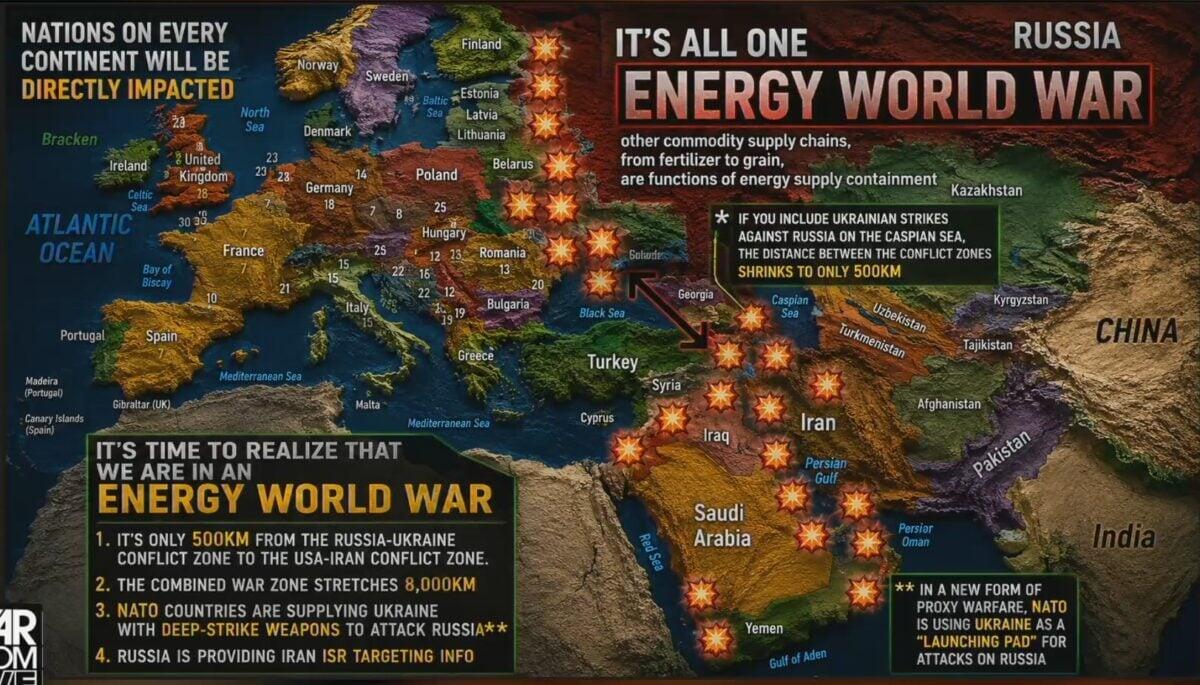
The second round of indirect negotiations between the United States and Iran concluded in Geneva, Iran’s semi-official Students’ News Agency (ISNA) reported Tuesady. Delegations from both sides left the venue following the talks, however, the Iranian side says it’s ready to stay in Switzerland for days or even weeks if needed, in order to reach a deal and stave off military attack by Washington. Oil is dumping on the following headline issued an hour after conclusion:

IRAN FOREIGN MINISTER SAYS WE HAVE REACHED UNDERSTANDING ON MAIN PRINCIPLES WITH THE US

OIL FUTURES FALL, BRENT DOWN OVER 1%, AFTER IRAN FOREIGN MINISTER COMMENTS ON US-IRAN TALKS

US envoy Steve Witkoff and Trump’s son-in-law Jared Kushner represented the US side in the talks, with Trump having told reporters aboard Air Force One that he would “indirectly” participate. Iran’s Foreign Minister Abbas Araghchi is leading the Iranian side.

AFP/Getty Images: Iran FM Aragchi met with International Atomic Energy Agency head Rafael Grossi in Geneva on Monday.

Iran has insisted on its nuclear program being the sole focus of discussions, and not limitations on its ballistic missile arsenal (as the US and Israel are demanding) – and this holds of the possibility of derailing talks before they get further underway.

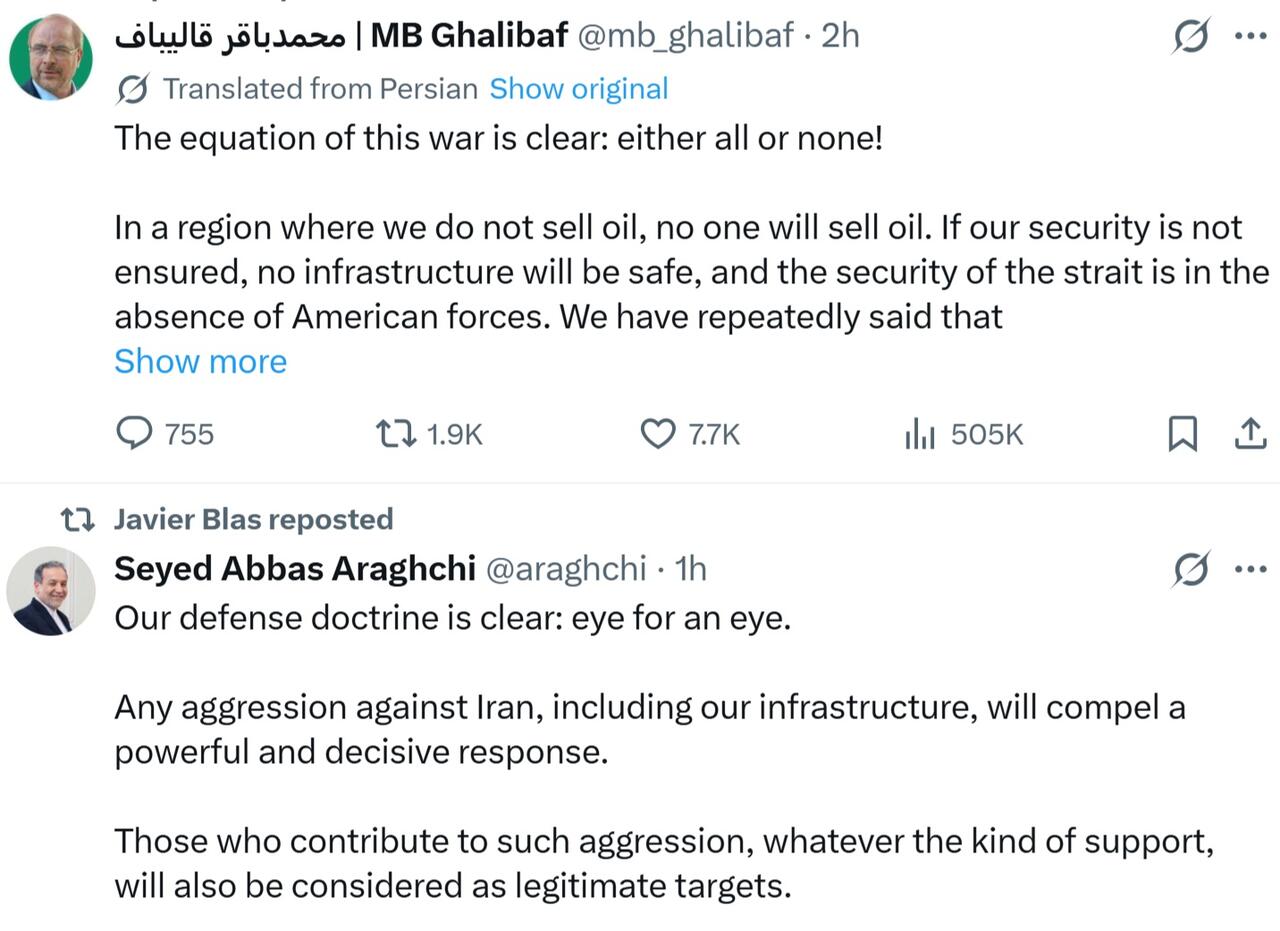
In the meantime the temperature is rising in the Gulf region, after Iran’s military announced Tuesday that sections of the Strait of Hormuz would be closed for several hours for what it called “security measures”.

This comes on the second day of IRGC naval drills, which semi-official Fars news agency described as designed to ensure the safety of maritime traffic during a military exercise. Iranian authorities stated the move formed part of the broader drill launched the day earlier.

Oil Prices Rise as Iran Closes Parts of the Strait of Hormuz for Naval Drills:

Iran’s state broadcaster reported that the “main phase’ of a naval exercise conducted by the Islamic Revolutionary Guard Corps began Tuesday.

Iran tested large missiles in the Persian Gulf on Tuesday, footage shows:

Supreme Leader Ayatollah Ali Khamenei has warned in a speech before an event Tuesday (and afterward his office posted it to X), the following:

The Americans constantly say that they’ve sent a warship toward Iran. Of course, a warship is a dangerous piece of military hardware. However, more dangerous than that warship is the weapon that can send that warship to the bottom of the sea.

This ‘counter-threat’ and warning was in response to remarks by Trump in which the president said the United States had not been able to destroy the Islamic Republic.

“In one of his recent speeches, the US president said that for 47 years America has not succeeded in destroying the Islamic Republic… I tell you: you will not succeed either,” Khamenei said.

USS Gerald R. Ford now just days away from Mideast waters and entering the eastern Mediterranean…

Trump has also threatened Iran with “traumatic” consequences and has raised the possibility of imposing regime change amid his ratcheting rhetoric, and the deployment of no less than two aircraft carrier groups to regional waters.

“What is not on the table: submission before threats,” Iran FM Araghchi said in a post on Monday, stating that he was in Switzerland “with real ideas to achieve a fair and equitable deal.”

Tyler Durden
Tue, 02/17/2026 – 08:55

Nuclear Reactor Transported By Air For First Time In 60 Years

0
Nuclear Reactor Transported By Air For First Time In 60 Years

In coordination with the Department of War and the Department of Energy, Valar Atomics has transported their high-temperature gas-cooled reactor from California to Utah via C-17. 

The event marks a major turning point for the nuclear industry, as reactor developers had been seen until this point as just another group of boring construction teams and quiet operators. But the more glamorous side of venture capital funded efforts is starting to make its way into the world of fission.

Nuclear energy has suffered from decades of neglect and atrophy, and it appears the newest generation of venture capitalists and entrepreneurs are finally taking interest in the nuclear industry again. 

Coverage of the event has been provided by all the major outlets including Reuters and Wall Street Journal, but there is a lack of understanding for what’s actually going on. None of the news agencies reporting on the event have provided any added context to the history of reactors up in the air, what Valar Atomics is trying to do, and frankly what was even inside the plane.

Valar constructed their Ward250 gas reactor in their facility in California. There is no fuel added to the reactor core yet, as shipping that through the air would be a regulatory nightmare in today’s environment. To put out the fires of some of the fear-mongering that has been going around about the event, which will come off as underplaying the advanced engineering and fabrication that went into the production of the components, all Valar did was ship a complicated piece of metal in a cargo plane. 

To be sure, the company has made significant progress toward meeting the July 4th criticality timeline set by last year’s nuclear executive orders. Taking a reactor critical means the reactor goes from a dormant, shutdown state to the point where the uranium inside the core is undergoing a sustained, controlled rate of fission (atoms splitting apart and releasing energy) on its own. 

And this latest milestone with government agencies was a phenomenal exercise in complicated logistical coordination, private-public partnerships, and capability demonstrations. 

One of the biggest errors in most of the reporting is that this is the first time a reactor has been put up into the sky. This can unfortunately not be further from the truth, even though Secretary Wright tries to make the same claim.

Scrolling all the way back to the 1950s, as the world was proving nuclear energy could be used for other than weaponry and destruction, President Eisenhower’s Atoms for Peace initiative sent a nuclear reactor across the Atlantic to Geneva, Switzerland. It was a pool-type research reactor built and tested in Tennessee. The reactor was dismantled and flown to Geneva where it was rebuilt and taken critical again.

Also in the 1950s, the U.S. pursued nuclear-powered long-range bombers before cruise missiles were developed. The Aircraft Nuclear Propulsion Program developed the Aircraft Shield Test Reactor and flew it in the air with fuel while operating under a multi-year test program. The reactor was never used to directly power an aircraft and the program was eventually shut down. 

The third major “reactor in the air” was the PM-1 reactor developed under the Army’s nuclear program in the 1960s. After initial construction in Maryland, the TM-1 was disassembled and shipped through the air to South Dakota and then to its final destination in Wyoming where it was assembled and operated. 

All things considered, the event is a huge win for the nuclear industry. Nuclear energy is finally getting some of the attention it needs to make further strides in public approval and federal support.

Tyler Durden
Tue, 02/17/2026 – 08:40

Futures Fall As AI Selloff Resumes

0
Futures Fall As AI Selloff Resumes

US equity futures woke up after President’s Day and chose to resume their selloff (after a modest bounce on Monday’s holiday failed to hold) dragged by Tech, as the risk-off moves on AI disruption fears continue. As of 8:15am ET, S&P 500 futures were down 0.5% with Nasdaq 100 contracts falling 1.0%. In premarket trading, all Mag 7 stocks are lower and Semis are being pressured with AVGO / NVDA lower by more than 1%. Pockets of outperformance (and higher absolute returns) can be found in Energy, Fins, Indu, and Defensives. Overseas markets mixed with UK up 70bps, Hong Kong, mainland China, Taiwan, Korea all closed. Lunar New Year Kicks off. Bond yields are low by 1-3bp as the yield curve bull flattens; the USD is bid higher. Commodities are weaker with WTI rising modestly on geopolitics and Ags / Metals for sale. Spot gold dropped toward $4,900 an ounce. Bitcoin, as usual, dumps. This morning we will receive the weekly ADP, Empire State manufacturing survey and NAHB housing market index for February. We will also hear from Fed Governor Barr and San Francisco Fed President Daly; key macro prints come on Friday with PCE and Flash PMIs. 

In premarket trading, MAg 7 stocks are all lower (Amazon -0.3%, Apple -0.2%, Microsoft -0.5%, Nvidia -0.9%, Meta -0.6%, Alphabet -1.5%, Tesla -1%)

  • AeroVironment (AVAV) gains 3% as JPMorgan initiates coverage with a recommendation of overweight following a selloff in the the drone maker’s stock.
  • Fiserv (FISV) rises 4% after the Wall Street Journal reported that activist investor Jana Partners has built a stake in the fintech company, citing people familiar with the matter.
  • General Mills (GIS) falls 3% after the packaged foods company cut some forecasts for the full year.
  • ImmunityBio shares (IBRX) gains 6% after the drugmaker said the Saudi Food and Drug Authority encouraged the company to submit a regulatory package for its bladder cancer therapy to expand access in Saudi Arabia.
  • Masimo (MASI) jumps 34% after the Financial Times said Danaher is closing in on a nearly $10 billion deal to buy medical technology company, citing unidentified people familiar with the matter. Shares of Danaher (DHR) fall 6%.
  • Norwegian Cruise (NCLH) rises over 7% after the Wall Street Journal reported that activist investor Elliott Investment Management has built a more than 10% stake in the cruise-ship company.
  • TripAdvisor (TRIP) inches less than 1% higher after Starboard Value LP announced plans to nominate a majority slate of director candidates for the 2026 annual meeting.
  • Veeva Systems (VEEV) rises over 1% as Morgan Stanley upgrades the the application software company to equal-weight, saying competitive risks are “better understood.”
  • Warner Bros Discovery Inc. (WBD) rises over 2% after agreeing to temporarily reopen sale negotiations with rival Hollywood studio Paramount Skydance Corp., setting the stage for a potential second bidding war with Netflix Inc. Shares of Paramount Skydance (PSKY) gain 3%.
  • Zim Integrated Shipping (ZIM) surges 35% after Hapag-Lloyd AG said it’s buying the Israeli shipping company.

In other corporate news, WSJ reports that activist Elliott is said to have built a large stake in Norwegian Cruise Line. Apple will hold a product launch on March 4. Anthropic’s talks to extend a contract with the Pentagon are said to have stalled on surveillance concerns. The Pentagon is also said to be seeking voice-controlled, autonomous drone swarming technology, with SpaceX among companies competing. 

US traders are returning to their desks eying firms’ swelling AI budgets, while also wary of the technology’s potential to hurt industries outside the tech sector. Meanwhile, Brent crude erased losses as Iran talked up military drills near the Strait of Hormuz — at the same time that the country is undertaking a fresh round of indirect nuclear negotiations with the US.

There’s “lingering anxiety about whether AI spending will be profitable enough, concerns about competition, and a broader de-risking from the most crowded trades after a very strong run,” said Aneeka Gupta, macroeconomic research director at WisdomTree.

The search for stocks on the right side of the artificial intelligence trade is front and center for investors at the start of a shortened week — with a backdrop that may benefit selective buyers. The “perception of AI seems to have changed completely from the angel of mercy to the kiss of death,” said Stephan Kemper, chief investment strategist at BNP Paribas Wealth Management. Concerns as to whether hyperscalers can monetize ever-growing investments in AI are back while “the fact that AI can often be a tool to enhance profitability is completely ignored,” Kemper added. Two opposing fears are evident – one that AI is poised to disrupt entire industries, the other that investors are skeptical of whether the huge capex outlays will deliver Alibaba unveiled a major update of its flagship AI model, ahead of a much anticipated release from DeepSeek. AI even gets into the Fed’s narrative with Barr due to speak on AI and the labor market, and Daly on AI and the economy later today.  returns. And AI is dominating conference calls.  

A record number of investors say companies are spending far too much, according to Bank of America Corp.’s latest fund manager survey. A quarter of participants saw an “AI bubble” as the top tail risk to markets, while 30% said capital expenditure on AI by the big tech companies was the most likely source of a credit crisis.

Meanwhile, two-year forward earnings estimates for software stocks have risen over the last three months, undeterred by the selloff over AI disruption worries, according to Goldman analysts, while RBC strategists say equity market is witnessing a type of “sentiment unwind” on AI jitters that likely has more to go. 

Over the weekend, Rubio spoke at the Munich Security Conference and emphasized the important of the deep ties between the US and EU, but also echoed the Trump administration’s talking points about the threat of Western decline (WSJ). RTRS reported the Pentagon preparing for the potential for a weeks-long campaign against Iran should Trump decide to launch another round of strikes which comes as the IRGC was conducting “smart drills” near the Strait of Hormuz. Also over the weekend, Trump said Rubio is in talks with Cuba as the island nation faces worsening economic conditions. Trump also said he’s speaking to China’s XI Jinping about weapons sales to Taiwan. Iran’s foreign minister met the UN nuclear chief before the next round of negotiations with the US. 

Brent traded 0.1% higher to $68.75 a barrel in London after Iranian state TV in the Islamic Republic reported that parts of the Strait of Hormuz, one of the world’s most important oil-shipping lanes, will be closed for “several hours” on Tuesday as part of Iran’s military exercises. The drills, announced previously, come as Iran and the US start a second round of negotiations in Geneva.  Trump has threatened to strike Iran unless it agrees to a deal curbing Tehran’s nuclear program in exchange for sanctions relief. He’s mobilized warships and fighter jets near Iran in response to a recent deadly crackdown by the regime there following mass protests.

Looking at earnings, out of the 371 S&P 500 companies that have reported so far in the earnings season, 76% have managed to beat analyst forecasts, while 20% have missed. Medtronic, Genuine Parts and Vulcan Materials are among companies expected to report results before the market opens. Medtronic’s organic revenue growth for fiscal 3Q is likely to exceed the consensus estimate of 5.5%, driven by strong sales of pulsed field ablation products used to treat atrial fibrillation, reflecting robust demand seen at peers like Boston Scientific and Abbott, Bloomberg Intelligence said. Earnings from Palo Alto Networks and Toll Brothers follow later in the day.

European stocks holding firm with Stoxx 600 up by 0.1%. The utilities sector outperforms as artificial intelligence worries linger and tensions in the Middle East drive a risk-off mood among investors. Miners lag as precious and industrial metals prices drop. On the data front, UK employment data surprised to the downside where the unemployment rate rose to 5.2%, above consensus and the BOE’s forecast of 5.1%. Following the print, odds for a BOE cut in March cut rose to ~80% (vs ~70% Friday). Here are some of the biggest movers on Tuesday:

  • Avolta shares rise as much as 5.7% to the highest level since 2021 after UBS upgraded the travel retailer to buy, citing an improving business model focus and favorable industry trends.
  • Genmab shares climb as much as 2.7% after Jefferies resumed coverage on the stock with a buy rating, highlighting the Danish biotech company’s attractive valuation and “catalyst rich” 2026.
  • SSP shares surge as much as 11%, touching the highest level since December. UBS raised its recommendation to buy from neutral as analysts expect the catering firm’s focus on cash flow generation to ease concerns.
  • Mol shares drop as much as 4.1%, down for the third day. The company said it is seeking a release of Hungarian strategic oil reserves to keep refineries operating.
  • BFF Bank shares fall as much as 12% to a record low after confirming a report that Italian prosecutors opened an investigation into the specialist lender.
  • Qiagen shares slide as much as 4.8% following a Financial Times report that Danaher could announce a roughly $10 billion deal to acquire US medical technology firm Masimo.
  • Antofagasta shares sink as much as 5.2% in London. The copper miner’s earnings and dividend payout underwhelmed some analysts, while it kept its guidance unchanged.
  • Hensoldt shares slip as much as 4.7%. Mediobanca initiated the stock with an underperform rating on valuation concerns. It leads a drop in European defense stocks ahead of new rounds of Russia-Ukraine peace talks and US-Iran nuclear talks in Geneva on Tuesday.
  • Truecaller shares plunge as much as 26% to a record low after the Swedish developer of a caller ID and spam-blocking app gave what JPMorgan analysts called “disappointing” commentary on advertising and the firm’s Truecaller for Business segment.

Earlier in the session, stocks fell in Japan, offsetting gains in India and Thailand, on a day when most of the region’s markets were closed for Lunar New Year. The MSCI Asia Pacific Index was steady, while Japan’s Topix slid 0.7%. SoftBank Group and Hitachi were among the biggest drags, while BHP Group gained. Stocks also retreated in New Zealand, while shares edged higher in Australia, Thailand and India. Volumes were thin, with bourses closed in markets including China, Hong Kong and South Korea. Japanese stock investors extended profit-taking after last week’s post-election gains, as concerns about disruption from artificial intelligence linger.

In FX, the pound weaker but off the low. The Bloomberg Dollar Spot Index little changed with DXY $97, yen and the kiwi outperforming. The yen, historically seen as a haven, strengthened 0.2% against the dollar.

In rates, the risk-off mood and last week’s slower inflation print buoyed Treasuries, lowering the yield on the 10-year note two basis points to 4.03% and sharply lower than beginning of the month and basically at one-year lows; gilts outperformed in Europe after weak jobs data firmed up bets on BOE interest-rate cuts in 2026. In the US, treasuries hold small curve-flattening gains as US trading resumes after Monday’s holiday, with yields having reached new lows for this year, at 4.016% for the 10-year. Most sovereign bond markets also have gains, led by Japan’s, following strong demand for an auction of five-year notes. Yields remain lower by 0.5bp to 2.6bp following the market’s biggest weekly gain since August, driven by softer-than-estimated January CPI data released Friday and volatility in risk assets including US stocks. For IG corporate new-issue calendar, underwriters anticipate weekly supply totaling about $24 billion; about $40 billion was priced last week, with roughly half in the form of Alphabet’s jumbo offering. Treasury coupon auctions this week include $16 billion 20-year new issue Wednesday and $9 billion 30-year TIPS new issue Thursday

In commodities, crude moving higher with WTI $64 up 150bps after Iran said military drills will close part of the Strait of Hormuz for several hours; the rest of the commodities complex lower led by front month gas off 3% to $3.15. Gold weaker, down about $69 to $4,922/oz, and silver sinking to about $74/oz. 

The US economic data calendar ADP weekly employment change (8:15am), February Empire manufacturing (8:30am) and February NAHB housing market index (10am). Fed speakers scheduled include Governor Barr (12:45pm) and San Francisco Fed President Daly (2:30pm)

Market Snapshot

  • S&P 500 mini -0.2%
  • Nasdaq 100 mini -0.6%
  • Russell 2000 mini -0.2%
  • Stoxx Europe 600 +0.2%
  • DAX +0.3%, CAC 40 +0.2%
  • 10-year Treasury yield -2 basis points at 4.02%
  • VIX +0.7 points at 21.85
  • Bloomberg Dollar Index little changed at 1183.25
  • euro little changed at $1.1844
  • WTI crude +0.9% at $63.44/barrel

Top Overnight News

  • German investor optimism fell in February, with the ZEW institute’s expectations index decreasing to 58.3 from 59.6 in January, in blow to recovery: BBG
  • Traders cemented bets on two BOE rate cuts in 2026 after UK unemployment approached the highest level in five years and wage growth cooled: BBG
  • Iran and the US met for a second round of nuclear talks in Switzerland as they seek to avoid renewed conflict in the Middle East. Iranian officials have expressed willingness to discuss their nuclear-enrichment activities, but have tied any concessions to the potential easing of American sanctions: BBG
  • A growing number of Wall Street pros say now might be the time to get greedy as AI fear runs amok in the US equity market. Investors are selling entire industry groups when a new AI tool threatens to upset an industry, presenting a chance to buy, according to money managers and analysts: BBG
  • Spanish PM Sanchez said the Council of Ministers will invoke Article 8 to ask the Public Prosecutor to investigate Meta (META), X and TikTok.
  • EU privacy watchdog opens probe into X over sexualised AI images: FT.

A more detailed look at global markets courtesy of Newsquawk

APAC stocks traded mixed amid the extremely thinned conditions due to the Lunar New Year holiday and in the absence of a lead from the US, where markets were closed for Washington’s Birthday/Presidents’ Day. ASX 200 was led higher by outperformance in miners as BHP shares surged after the mining giant reported a 28% jump in H1 net, although gains in the broader market were capped by weakness in tech and real estate. Nikkei 225 retreated shortly after the open with SoftBank and heavy industry stocks leading the declines, as the post-election euphoria petered out following the recent underwhelming GDP data.

Top Asian News

  • Japanese PM Takaichi to unveil a sweeping budgeting reform, placing strategic investments under a ringfenced multi-year framework to enhance predictability and attract private capital, Nikkei reports citing a draft
  • Japan PM Takaichi considers multi-year budget for growth and crisis management, according to Nikkei citing her draft policy speech for Friday.
  • Japanese Finance Ministry estimate indicates annual bond issuance could rise 28% three years from now amid increasing debt financing costs, according to Reuters.
  • Indian Government Minister said we are discussing age-based social media ban with firms.

European bourses (STOXX 600 +0.2%) initially started on the backfoot but have reversed earlier losses and are now trading mostly in the green. The SMI (+0.7%) leads, while the AEX (+0.2%) lags, weighted on by losses in ASML (-1.3%). FTSE 100 (+0.5%) sits near the top of the pile, aided by softer-than-expected jobs and wages data, increasing the likelihood of BoE rate cuts. European sectors are mostly firmer. Utilities (+1.3%) and Insurance (+1.2%) reside near the top, with insurance names helped by a broker upgrade for AXA (+1.8%, initiated with outperform at RBC) and a sector perform rating for Allianz. Basic Resources (-1.4%) is the clear underperformer, weighed on by metal prices (XAU -1.3%, XAG -2.4%).

Top European News

  • The German Chamber of Industry and Commerce raises its 2026 GDP growth forecast from 0.7% to 1.0%.
  • Swedish Finance Minister said they are not expecting to join the Euro in the coming years.
  • UK government quietly shelved a programme to build a frictionless post-Brexit trade border, after spending GBP 110mln on a contract with Deloitte and IBM for the project, according to FT.
  • EU officials held a constructive meeting to strengthen the international role of the euro on Monday, according to EU’s Dombrovskis.

FX

  • DXY trades flat intraday but at the lower end of a tight 97.072-97.247 range as US participants gear up to return from the long weekend. Focus has been on geopolitics as US-Iran talks look to continue through to the afternoon, whilst US-Ukraine-Russia trilateral talks have now been moved to tomorrow. On the data front for the day ahead, weekly ADP jobs data are due (prev. showed an average of +6.5k/week over the four-week period). Elsewhere, the Empire State Manufacturing Index for February, and the NAHB housing market index for February are scheduled.
  • JPY gained as risk sentiment in Japan deteriorated shortly after the open, while there were some recent comments from former BoJ board member Adachi, who sees a likelihood that the BoJ will hike rates by 25bps in April. During European hours, the JPY remains the outperformer as US yields fall, but overall, the pair remains within the ranges of the last four trading sessions, with today’s current parameters between 152.70 and 153.75. Note, JPY could also be seeing some haven flows against the backdrop of the US-Iran talks today.
  • GBP fell in the aftermath of a dovish jobs report: unemployment unexpectedly rose to 5.2%, just below the BoE’s 5.3% peak forecast (raised in February), while wage growth slowed across both measures, especially including bonuses. GBP/USD have recovered off its worst levels with the pair currently around the middle of a 1.3552-1.3633 intraday range at the time of writing.
  • EUR marginally trickled lower, but with price action kept within tight parameters near the 1.1850 level amid light newsflow from the bloc and the recent mixed EU Industrial Production data. Some risk was taken out for the EUR (for today) as the US-Ukraine-Russia trilateral meeting has been pushed back to tomorrow. A modest four-pip immediate dip was seen as German ZEW disappointed, with EUR/USD currently in a 1.1828-1.1852 range.

Central Banks

  • RBA Minutes from February meeting stated that members agreed that prevailing uncertainties meant it was not possible to have a high degree of confidence in any particular path for the cash rate. Board concluded inflation would stay stubbornly high if it had not hiked interest rates as it did this month. Members agreed that the data received since the previous meeting had strengthened their concern that without a policy response, inflation would remain persistently above target for too long.
  • NBP Member Dabrowski says April would be safer to cut rates than in March, a policy rate of 3.5% in 2026 is achievable.

FX

  • USTs move higher this morning by around 7 ticks, currently trading within a 113-03 to 113-14 range. From a yield perspective, the 10yr is now eyeing the 4% mark (currently 4.025%), and trading at lows not seen since late Nov’25. Much of the upside can seemingly be attributed to the muted risk tone, in an environment clouded by geopolitical uncertainty, with US-Iran and US-Ukraine-Russia talks taking place. The former arguably holds added risk, given there is some chance that the US could strike Iran if talks break down – though analysts believe that the most likely outcome is not a full deal today but a decision to keep talks alive. (Full analysis piece can be found on the Newsquawk feed)
  • Bunds follow the global fixed income complex higher. In reaction to the UK’s jobs/wages data, Bunds spiked higher from 129.30 to 129.41. Currently trading higher by around 15 ticks and at the upper end of a 129.13 to 129.36 range – the 10yr yield is trading well outside recent ranges, around 2.733%. Further pressure could see the 10yr test 2.70%, which happens to be the trough from the 1st of December 2025. Following the softer-than-expected ZEW series, Bunds rose from 129.37 to 129.41 – the peak for the day. Demand for German debt remains tepid, with the 2yr Schatz demand sub-2x b/c.
  • Gilts gapped higher by 38 ticks before climbing another two to a 92.32 peak, in reaction to the latest unemployment and wage data. If the move continues, resistance comes into view at 92.51, 92.56 and 92.95. Upside spurred in a dovish reaction to a report that showed a further deterioration in the labour market, as the unemployment rate ticked up to 5.2% and is just a tenth shy of the BoE’s 5.3% peak forecast (a view that was increased in the February MPR). Furthermore, wage data showed a moderation from the prior for both metrics and markedly so for the measure incl. bonuses. Sparking a dovish reaction in BoE pricing, however, the next cut remains priced for April, but March is now up to -21bps (-20.3bps pre-release) while the timing for a second 2026 cut has been brought forward to November from December.
  • JGBs firmer, with upside of just over 50 ticks at best, hitting a 132.60 peak. Upside was a function of the negative risk tone in Japan overnight, where conditions were very limited due to numerous APAC closures. Furthermore, participants continue to digest the policy implications of recent weak GDP data. Note, there was fleeting JGB pressure to a broadly in-line 5yr auction.
  • Germany sells EUR 4.59bln vs exp. EUR 6bln 2.10% 2028 Schatz: b/c 1.77x (prev. 2.1x), average yield 2.02% (prev. 2.14%), retention 23.5% (prev. 22.8%).
  • UK sells GBP 500mln 0.125% 2028 Gilt via Tender: b/c 4.05x (prev. 3.77x), average yield 3.336% (prev. 3.443%), tail 0.7bps (prev. 0.6bps).
  • Japan sold JPY 1.9tln 5yr JGBs; b/c 3.10x (prev. 3.08x), average yield 1.640% (prev. 1.639%).

Commodities

  • WTI Mar’26 and Brent Apr’26 are trading around the lower range of USD 62.84-63.87/bbl and USD 67.85-68.62/bbl, respectively. Focus for oil traders is on meetings between the US and Iran and the trilateral talks between Russia, US and Ukraine. At the time of writing, the trilateral talks have concluded, with talks set to resume tomorrow. Much of the action this morning has been spurred by Iran-related commentary; some pressure in the complex on reports that Iran approved IAEA visit to nuclear facilities, but soon reversed after hawkish commentary from Iranian Supreme Leader Khamenei, who suggested that the US army needs to be “slapped” so hard it cannot get up. Most recently, reports suggest that Iran announced its readiness to reduce uranium enrichment, and are now at the stage of discussing technical issues. Ultimately, very choppy action given the mixed newsflow.
  • Precious metals have stalled following prior day gains, with the yellow metal slipping below the USD 5,000/oz mark and silver falling by 4.5%, though off worst levels seen during the APAC session. Analysts note that liquidity remains thin, particularly across metals. Focus now turns to US ADP employment figures, which could trigger volatility. Weaker jobs data could trigger a weaker USD, spurring the yellow metal and vice versa.
  • Copper prices remain subdued, largely amid the mixed global risk tone and the closure of the Chinese market due to the Chinese holiday. 3M LME Copper currently trades in a narrow range of USD 12,695.08-12,849k/t.

Geopolitics: Ukraine

  • Russia’s Kremlin said the three-way talk with US and Ukraine in Geneva will continue tomorrow with no news expected today.
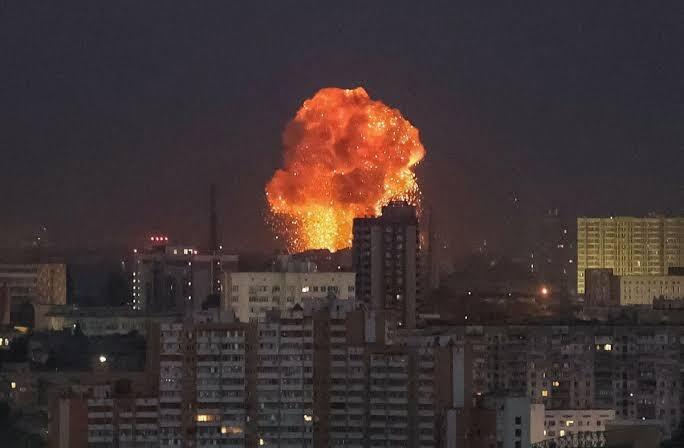
  • Russian Defence Ministry said Russia carried out a massive strike on military targets in Ukraine, IFX reported.
  • Russian President Putin advisor Patrushev said Russia is preparing measures to respond to seizures of its trading vessels, IFX reported.
  • Ukrainian long-range drones hit the Ilsky Oil Refinery in the Krasnodar Krai region of Russia and the refinery is on fire, according to Visegrad 24.

Geopolitics: Middle East

  • Iran is ready to stay for days and weeks in Geneva in order to reach an agreement, Al Jazeera reports citing the Iranian Foreign Ministry spokesman.
  • US-Iran nuclear negotiations in Geneva have entered the stage of discussing technical issues, Al Jazeera reports citing Iranian TV.
  • Iran announced its readiness to reduce uranium enrichment, Al Hadath reports citing Iran’s ambassador in Cairo; adds “The contradiction of the US statements is proof of its lack of seriousness in the negotiations.”
  • Iran’s IRGC are holding military exercises in the Strait of Hormuz and the Sea of Oman at the same time as US-Iran nuclear talks, Iran International reports.
  • Iranian Supreme Leader Khamenei says, in relation to the US, “The strongest army in the world may sometimes be slapped so hard that it cannot get up.”
  • Indirect talks between the US and Iran have begun with a message exchange process, according to reported.
  • Senior Iranian Official said Iran’s approach to US talks are positive and serious, but holds no preconception about the outcome.
  • “Iran approves IAEA visit to nuclear facilities”, Al Arabiya reported.
  • Russian President’s Aide said Russia, Iran and China sent ships to the Strait of Hormuz to participate in the “Security Belt 2026” exercise, Al Jazeera reported (as expected).
  • US officials say they expect Iran to come to Geneva talks today with concrete concessions regarding its nuclear program, according to Axios.
  • US President Trump said he will be involved in the Iran talks indirectly and that Iran wants to make a deal. Iran are bad negotiators and he hopes they will be more reasonable in talks.
  • US delegation led by Special Envoy Witkoff leaves for Geneva for talks with Iran.
  • Palestinian media reported Israeli army conducts bombing operations in deployment areas within Beit Lahiyah and the Northern Gaza Strip, according to Al Qahera.

Geopolitics: Others

  • US President Trump said Secretary of State Rubio is talking to Cuba right now and that they want to make a deal, adds will see how it all turns out with Cuba and the US talking.

US Event Calendar

  • 8:30 am: Feb Empire Manufacturing, est. 6.2, prior 7.7
  • 10:00 am: Feb NAHB Housing Market Index, est. 38, prior 37
  • 12:45 pm: Fed’s Barr Speaks on AI and the Labor Market
  • 2:30 pm: Fed’s Daly Speaks on AI and the Economy

DB’s Jim Reid concludes the overnight wrap

Without wanting to put you off reading any further, this may be the most boring EMR of the year so far, as yesterday was unusually calm compared with the pace of events so far in 2026. However there were a couple of new big AI disruption stories in the European session to report of below. But it was quiet due to the combination of the US holiday and the Lunar New Year in China, offering markets a chance to pause, and the subdued volumes suggested many participants took the opportunity to have a lie down… or watch the Curling or Ski Jumping. Chinese markets remain closed until next Tuesday, with Hong Kong set to reopen on Friday and Korea on Thursday. US markets reopen today, and S&P (-0.58%) and Nasdaq (-0.96%) futures are both trading lower after having edged higher for most of yesterday’s session. 10yr Treasury yields (-2.5bps) are also creeping lower again, trading at 4.025% this morning. After last week’s sizeable rally in US yields, attention is firmly on the bond market as investors look ahead to Friday’s core PCE and Q4 GDP releases. Today starts the US data week quietly, with the February NY Fed Empire State Survey (+0.5 expected) and the NAHB Housing Market Index (37 expected) due.
The rates rally is spreading across Asia with 10-30yr JGBs -6 to -10bps lower as I type after a slightly better than expected 5 year auction. The Nikkei is down -0.92%, continuing its decline from the previous session helped by disappointing GDP figures for the fourth quarter.

Meanwhile, the S&P/ASX 200 is experiencing a slight increase of +0.26%, primarily supported by gains from the mining giant BHP Group (+4.75%), which reported robust earnings for the first half of the fiscal year. That’s one company AI will struggle to disrupt, although as an aside I just asked our AI tool if it could be disrupted and the one way is if AI allows exploration and discovery to get faster and cheaper for challengers! Is nothing safe! However this is probably also a case where the company could also use such analysis.

Regarding central bank developments, the minutes from the Reserve Bank of Australia’s most recent monetary policy meeting indicated that the rate increase was prompted by stronger-than-anticipated data, ongoing widespread inflation, and relaxed financial conditions. Nevertheless, the central bank expressed uncertainty about the future trajectory of inflation and the economy, resulting in a lack of a “high degree of confidence in any particular path for the cash rate.”

With the US out yesterday, European markets were similarly subdued. Equities saw only modest moves, with the STOXX 600 (+0.13%) and FTSE 100 (+0.26%) finishing slightly higher even with a dip into the close. But beneath the surface, AI related concerns continued to simmer. In Germany, Siemens fell sharply (-6.41%) amid growing worries that industrial software could be another area exposed to AI disruption. That decline weighed on the DAX, which closed -0.46%. Likewise, France’s Dassault Systèmes slumped (-10.44%) on similar concerns, although the CAC 40 (+0.06%) still managed a marginal gain. It’s clear that the market hasn’t yet shaken off this theme.

Across Europe, the news flow remained light as EU leaders returned from the Munich Security Conference. Reports from the FT and Bloomberg suggested the UK is considering increasing defence spending to 3% of GDP by 2029—something that was largely expected, given the concessions needed to secure improved access to SAFE (Security Action for Europe) and more favourable EU trade terms. With no formal announcements likely before the Autumn Budget, investors appeared unbothered by any perceived fiscal implications. Gilt yields edged lower, with the 2yr down -0.7bps and the 10yr down -1.6bps. Elsewhere in fixed income, front-end European yields drifted slightly higher as renewed concerns over oil-driven inflation returned. The 2yr bund was up +0.2bps, while moves along the curve were more uneven, leaving the 10yr bund marginally lower at -0.1bps.

Oil prices rose as geopolitical tensions in the Middle East resurfaced, including reports that Iran’s Revolutionary Guard had begun military exercises in the Strait of Hormuz. Brent crude moved higher on the headlines, adding +1.33% yesterday. However it’s down around -0.6% this morning. Markets will keep a close eye on developments as US–Iran talks are scheduled to resume today. Despite the renewed tensions, gold prices slipped yesterday, falling -0.74%. It is another -2% lower this morning with silver over -3% down, now trading $7 below its real adjusted price in 1790!

Looking to the day ahead, data releases include the US February Empire Manufacturing Index, the NAHB Housing Market Index, UK December average weekly earnings and unemployment, Germany’s February ZEW survey, the Eurozone ZEW survey, and Canada’s January CPI. Fed speakers include Barr and Daly, while today’s notable earnings releases feature Medtronic and Cadence Design Systems.

Tyler Durden
Tue, 02/17/2026 – 08:39

When Cash Disappears, So Does Something Else

0
When Cash Disappears, So Does Something Else

Authored by Mollie Engelhart via The Epoch Times,

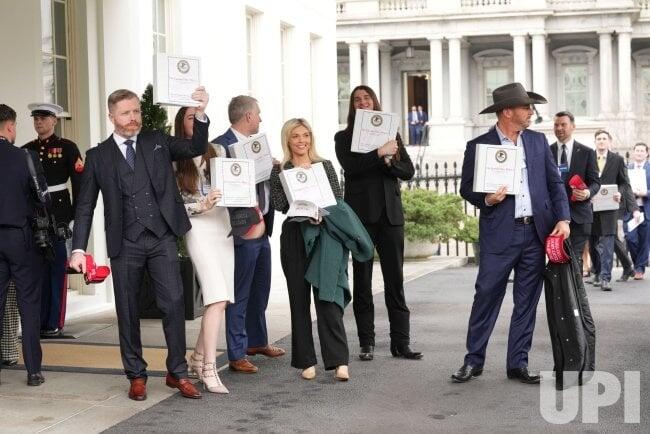
Last Sunday, I held a book signing at Pearl in San Antonio, the kind of place magazines love to feature. Old brick buildings have been transformed into beautiful restaurants, boutiques, apartments, and bookstores. It feels curated yet charming, historic yet modern, a vision of how we’re told that cities should look and feel.

My signing happened during the farmers market, so there was music in the air, families strolling, dogs on leashes, linen dresses, and heirloom tomatoes. It was lovely. Before I sat down, I stopped into the trendy grocery store nearby. Everything inside looked like how food should look: thoughtfully sourced, artfully displayed, and priced closer to what real food actually costs when someone grows it with care. I ordered a coffee and a pastry and pulled a $20 bill from my wallet.

“We don’t take cash,” the cashier said politely.

I nodded. I’ve worked in restaurants, and I understand the argument. With employees, cash can be seen as a liability, with risks of theft, accounting errors, and end-of-day discrepancies. Cards feel cleaner, easier, and more trackable. Still, something in me tightened. Every time we stop accepting cash, we normalize a world where every transaction is recorded, categorized, stored, and potentially scrutinized. Every purchase becomes a data point. Every cup of coffee leaves a digital trail.

I took my coffee, found my seat at the bookstore, and started signing books. Between conversations, I could hear the sizzle and chatter from a nearby empanada booth at the farmers market. The smell of warm pastry finally got me. I walked over, cash already in hand.

“Can I get a potato empanada?” I asked.

The woman at the booth said, with an apologetic smile, “We don’t take cash.”

Not a brick-and-mortar store with layers of management, a pop-up tent at a farmers market. That’s when it really hit me. This isn’t just about convenience or speed at checkout. Cash itself is becoming strange, inconvenient, outdated, and almost suspicious. We’re being trained to accept that every exchange must be mediated, approved, and recorded by a third party, and that third party isn’t free.

Most of the vendors there were using Square to process payments. The typical fee is about 3 percent to 4 percent per transaction. That might not sound like much, but that percentage is shaved off every single time money changes hands digitally.

If I hand $20 in cash to the empanada vendor, and he hands that same $20 to the barber who cuts his hair, and the barber gives it to a babysitter, and the babysitter uses it to buy a pizza, that same $20 bill keeps moving through the community at full value. No one skims anything off the top.

But in the digital system, that cut happens again and again, and the effect compounds. At a 3.5 percent fee, after one transaction, that $20 becomes $19.30. After two, $18.62. After three, $17.97. After four, $17.34. After five digital transactions, only about $16.74 remains in circulation. More than $3 of the original $20 has quietly disappeared in just a handful of everyday exchanges. That money didn’t go to the farmer, the barber, the babysitter, or the pizza shop. It left the community entirely.

It’s a quiet drain on small communities, a friction we barely see because it’s spread out, invisible, and normalized. There’s also a common belief that businesses are required to accept cash because it’s legal tender. The truth is more complicated. In most places, private businesses can choose what forms of payment they accept unless a local or state law says otherwise. So no, they aren’t necessarily breaking the law. But legality and wisdom are not the same thing.

Every digital transaction comes with processing fees and interchange costs. Small businesses quietly lose a percentage of every sale, and customers pay more over time as those costs are baked into prices. In return, we give up privacy, independence, and the simple resilience of being able to transact even when systems go down. Cash works during power outages. Cash works when the internet is down. Cash works without a corporate intermediary. Cash is anonymous, direct, and final.

When everything becomes digital, spending can be tracked, restricted, frozen, or flagged. We may not feel that pressure today when we’re buying coffee and pastries in beautiful spaces, but systems built for convenience can easily become systems of control.

What struck me most that morning was the irony. I was at a farmers market, a place that represents local food, small producers, and community resilience, and yet even there, we’ve accepted the idea that every transaction must flow through the same centralized financial rails. We tell ourselves that it’s about ease, but what we’re really trading is privacy, resilience, and a small but meaningful piece of our sovereignty over how we spend the fruits of our labor.

It happened so gradually that most of us didn’t even notice. Until one day you’re standing at a farmers market, cash in hand, and realize that the future has arrived quietly, and that it doesn’t include the simplest form of freedom we used to carry in our pockets.

Views expressed in this article are opinions of the author and do not necessarily reflect the views of The Epoch Times or ZeroHedge.
Tyler Durden
Tue, 02/17/2026 – 08:05

BHP’s Copper Pivot Pays Off With Surprise Dividend Bump, Record-High Stock Price

0
BHP’s Copper Pivot Pays Off With Surprise Dividend Bump, Record-High Stock Price

Shares of BHP Group, the world’s largest miner, jumped to a record high in Australia after it posted earnings at the top end of Wall Street expectations. The miner’s pivot into copper, aided by a surging rally in industrial metals, offset softer conditions in its iron ore unit.

BHP chief executive Mike Henry reaffirmed to investors earlier on a call that the miner is pivoting toward “future-facing” metals. In other words, he explained that the world’s largest miner’s shift away from operations focused on serving China’s steel mills has paid off, as copper has soared.

Henry said that acquisitions began to bear fruit, as did the improvements at Escondida, the world’s largest mine, all of which were helped by a record surge in the price of the industrial metal used heavily for power grids and AI-related applications. 

“This is the result of our deliberate actions to grow our copper business,” Henry told analysts, adding, “Now, BHP is, by design, a diversified miner rather than focused on a single commodity.”

At the time of writing, iron ore futures on the Dalian Commodity Exchange were trading at depressed levels below $100 per ton, while copper on the London Metal Exchange was trading around $12,850 per ton.

BHP earnings highlights:

  • Underlying attributable profit rose 22% to $6.2 billion for the six months to end December. Shares in Australia jumped as much as 7.6% to a record.

  • Copper contributed more than half of the profit for the first time, motly because of higher copper prices and steady output. Copper division underlying EBITDA climbed 59% to $8 billion.

  • Iron ore earnings edged 4% higher and still make up close to half of the total, though BHP is dealing with “tough” negotiations with China’s state buyer, China Mineral Resources Group.

  • The Jansen potash project in Canada remains on track for first production in the middle of next year, though first-phase capex has risen to $8.4 billion.

  • On M&A: Recent gains include the 2023 purchase of OZ Minerals and the Vicuna joint venture with Lundin Mining. Attempts to buy Anglo American (and efforts around its tie-up with Teck Resources) were unsuccessful, so BHP is emphasizing organic growth and being more disciplined in deal-making.

  • Reiterated its plan to unlock up to $10 billion through asset sales and other transactions. It announced a $4.3 billion long-term silver streaming agreement with Wheaton Precious Metals tied to byproduct silver from the Antamina mine in Peru (BHP owns 33.75%). It also recently sold a $2 billion stake in the power network supporting Pilbara operations.

  • Declared an interim dividend set at 73 cents, equal to a 60% payout ratio

UBS analyst Dominic Ellis commented on BHP’s earnings, indicating “BHP Surprises With Dividend Bump.”

Ellis told clients:

BHP’s EBITDA beat by 3% in the first half of its financial year while EPS beat by 4%, but the surprise was the 16% increase in the dividend, on a 60% payout versus the baseline of 50%. Net debt stood at $14.7 bn, at the midpoint of the guided range, capex in line and guidance unchanged. Group EBITDA from copper was 51%, more than half of EBITDA for the first time. The stock has been a funding short for specialists, and while shares are performing well on these resutls, feedback from clients recently has been on the disconnect between iron ore (down sharply, now below $100/t) and iron ore equity resilience. BHP’s spot free cash flow yield is 3.5% this year versus Rio Tinto on 6.4%.

Reminder about the copper market:

Strong earnings and a copper-led pivot that’s cushioning a softer iron ore business have rewarded shareholders with record-high share prices in Australia.

“In the last five years, the BHP CEO has set the business up with options,” said Glyn Lawcock, head of metals and mining research at Barrenjoey Markets Pty in Sydney. “Clearly, growth to 2030 is really potash and iron ore, but you hit the start of the new decade, it’s pretty much all copper.”

Tyler Durden
Tue, 02/17/2026 – 07:45

Asians More Optimistic Than Most For Their Countries’ Future

0
Asians More Optimistic Than Most For Their Countries’ Future

A recent Ipsos survey of 25,000 people across 30 countries shows Asians are on average more optimistic for the future of their countries than people from the rest of the world.

When asked whether they believe things in their country are headed in the right direction or off on the wrong track, 82 percent of respondents in Singapore said they think the city-state is on the right path, the highest percentage of all the countries included in the survey.

In second position came Indonesia, where three quarter of respondents felt their country was headed in the right direction, followed by Malaysia (69 percent), India (62 percent) and South Korea (58 percent).

The first non-Asian country, Argentina, came in sixth position with 57 percent.

As Statista’s Valentine Fourreau shows in the infographic below, all the Asian countries included in the survey scored higher than the 30-country average, which stood at 41 percent.

Infographic: Asians More Optimistic Than Most for Their Countries' Future | Statista

You will find more infographics at Statista

Amongst the least optimistic countries were France (10 percent), Peru (21 percent), Hungary (24 percent) and Great Britain (24 percent).

The survey, which focused on what worries people around the world, found that the most common worries across all 30 countries were crime and violence (mentioned by 32 percent of respondents), inflation (30 percent) and poverty and social inequalities/unemployment (both 28 percent).

Ipsos notes that severe flooding caused by Cyclone Ditwah in parts of Southeast Asia led to increased level of worry about climate change in the region.

Thailand’s level of concern about climate change now stands at 26 percent, 11 percentage points higher than the year before.

Tyler Durden
Tue, 02/17/2026 – 05:45

Germany’s Climate Policy Has Moved From Politics To The Courts… And The Economy Is Paying The Price

0
Germany’s Climate Policy Has Moved From Politics To The Courts… And The Economy Is Paying The Price

Submitted by Thomas Kolbe

Germany is the political engine of the Green Deal, yet it continues to fall short of its own CO₂ reduction targets. Now Germany’s Federal Administrative Court in Leipzig has ordered the federal government to tighten its climate targets by the end of March. The ruling follows a lawsuit filed by the German Environmental Aid (Deutsche Umwelthilfe), aimed explicitly at increasing political pressure. Germany is tightening the screws on its own catastrophe.

Germany in 2026: the economy has entered its eighth consecutive year of industrial decline. Companies are shutting down, and hundreds of thousands of jobs have already been lost in the core sectors of the country’s former prosperity—chemicals, mechanical engineering, and above all the automotive industry.

Climate change has struck—or rather, the ideologically skewed and socially unprecedented self-destructive frenzy of German politics has begun to shred any remaining hope of a return to normal economic conditions.

The attempt to free the country from conventional energy sources such as oil, gas, and coal through a rapid transition to CO₂-free energy—politically and psychologically inflated into a moral crusade to “save the planet”—has failed.

Given the devastating competitive position of the German economy, which now pays energy prices roughly three times higher than competitors in reference locations such as France or the United States, any rational observer would urgently recommend consigning the entire transformation agenda to the dustbin of failed political hubris and collective delusion.

What remains is damage control: a rapid return to a market-based energy system, an end to destructive environmental and social experiments, and an unavoidable restructuring of the welfare state to reflect new economic realities. Germany is getting poorer, productivity is falling, and GDP per capita is declining—realities that even the federal government’s massive debt-financed spending programs can no longer conceal.

Yet Germany in 2026 is no ordinary country. Its political elite, supported by an affirming media ecosystem, has entrenched itself in a self-referential system of emissions-centered economic control—a system now reinforced by judicial authority.

In its ruling, the court mandated that the government sharpen its environmental targets. Under current conditions, a gap of at least 200 million tons of CO₂ would remain by 2045, which must now be eliminated across Germany’s entire economic structure.

Judges who effectively substitute political objectives for democratic deliberation are now setting the framework for Germany’s continued decline.

The lawsuit was brought by the German Environmental Aid—an organization already known for launching the first serious legal assault on Germany’s automotive industry during earlier battles over particulate emissions in city centers. The pressure on Germany is now coming from within: from a taxpayer-funded NGO complex that appears determined to politically delegitimize key industries, with the state apparatus firmly on its side.

According to Deutschlandfunk, a leaked draft from the SPD-led Environment Ministry outlines a new climate program aimed at achieving climate neutrality by 2045. Spanning more than 330 pages, it appears the government anticipated judicial escalation and preemptively prepared the groundwork for a revised climate law. Political conflict has been outsourced to the courts, to the relief of Berlin’s climate hardliners amid worsening economic conditions.

Among the core measures is the intensified “heat transition” in the building sector. The ministry proposes increasing subsidies for low-income households—up to 40 percent of costs—for heating replacements and heat pump installations. A generous solution for the climate-policy establishment, conveniently rolled out during an election season.

The leaked strategy signals a general increase in transformation pressure. No fundamentally new instruments are introduced; instead, property owners are placed under tighter time constraints to replace heating systems.

Climate policy and financial affordability are colliding ever more sharply. Amid a prolonged recession, the government is deliberately provoking social conflict while attempting to pacify it through ever-expanding subsidies.

Germany’s public debt, at roughly 65 percent of GDP, still appears moderate by European standards. In Berlin, this is interpreted as ample room to finance the transformation through rising debt while simultaneously increasing pressure on the private sector.

Environment Minister Carsten Schneider speaks optimistically of new “climate jobs.” The overall picture, however, increasingly resembles political farce. A state that secures public consent for its transformation agenda through debt, subsidies, and higher taxes acts obscenely and invites long-term economic damage.

Plans even include methane measurement programs for livestock, modeled after New Zealand—yet another blow to farmers. German emissions policy is entering a manic phase, blurring the line between real policy and political satire.

The subsidy machine continues to spin. The government plans to support 800,000 electric vehicles in the coming years. Credit resources remain abundant after Chancellor Friedrich Merz effectively neutralized the constitutional debt brake with the previous parliament. By 2040, electric vehicles are supposed to account for 70 percent of Germany’s car fleet—despite the absence of any credible plan for supplying the required electricity.
Artificial, technocratic necessity has replaced political debate. From the outset, it was clear that the supposed softening of the combustion-engine ban was mere political theater—a sedative for citizens gradually awakening to the scale of the green ideological disaster.

The energy sector faces further tightening. Dozens of reserve gas power plants are to be added, while existing plants are to be converted to hydrogen capability. Offshore wind projects abroad are being accelerated. These measures amount to desperate rescue attempts for a failed energy transition—an assessment implicitly acknowledged even by the Environment Ministry itself. Model-driven hope has replaced rational judgment.

Germany’s climate policy, entangled in a feedback loop with Brussels, has ossified into an auto-referential system marked by a narrow temporal vision and growing argumentative poverty. Looming over it all is the threat of further litigation by the German Environmental Aid should the final legislation fail to meet its standards.

Germany now finds itself in the grip of green ideologues who have subordinated all parties behind an ideological firewall. The environmental lobby’s greatest success came when it elevated the Net Zero target to constitutional status.

How much greater must the economic pressure become before a majority forms—even in front of this firewall—to dismantle this manifest political folly?

* * * 

About the author: Thomas Kolbe, a German graduate economist, has worked for over 25 years as a journalist and media producer for clients from various industries and business associations. As a publicist, he focuses on economic processes and observes geopolitical events from the perspective of the capital markets. His publications follow a philosophy that focuses on the individual and their right to self-determination.

Tyler Durden
Tue, 02/17/2026 – 05:00

Visualizing The World’s Countries By Political System

0
Visualizing The World’s Countries By Political System

Nearly three-quarters of the world’s population now lives under autocratic rule, according to the V-Dem Institute’s 2024 Regimes of the World report. That’s the highest share since 1978.

The map below, via Visual Capitalist’s Bruno Venditti, classifies every country into one of four political systems: closed autocracy, electoral autocracy, electoral democracy, or liberal democracy.

The results point to a decades-long shift in global governance, with electoral autocracies now the most common regime type worldwide.

The Four Types of Political Regimes

-Dem classifies countries based on the competitiveness of elections, protection of civil liberties, and the strength of institutional checks and balances.

Here’s how the four categories differ:

  1. Closed autocracies have no meaningful multiparty elections and suppress core democratic freedoms. Countries like China, Saudi Arabia, and North Korea fall into this group.

  2. Electoral autocracies hold multiparty elections, but they are not free or fair. Media restrictions, weakened opposition, and limited civil liberties are common. This category includes countries such as Russia, India, and Turkey.

  3. Electoral democracies conduct free and fair elections and protect basic rights, but may lack strong institutional constraints. Examples include Argentina, Poland, and the United Kingdom.

  4. Liberal democracies go further, combining competitive elections with robust rule of law and checks and balances. Countries such as Germany, Japan, United States, and Uruguay are classified in this highest tier.

Scroll down to see how every country is classified.

Autocracy Is the Most Common Regime

Electoral autocracy is now the most common regime type in the world.

This category spans every continent, from Sub-Saharan Africa to South Asia and parts of Latin America. In many cases, democratic institutions still exist on paper, but their independence has eroded.

Large-population countries shifting toward electoral autocracy have an outsized effect on global trends. As a result, even if the number of democracies remains substantial, the share of people living under autocratic rule continues to grow.

Country Regime
🇦🇫 Afghanistan Closed Autocracy
🇦🇱 Albania Electoral Autocracy
🇩🇿 Algeria Electoral Autocracy
🇦🇴 Angola Electoral Autocracy
🇦🇷 Argentina Electoral Democracy
🇦🇲 Armenia Electoral Democracy
🇦🇺 Australia Liberal Democracy
🇦🇹 Austria Electoral Democracy
🇦🇿 Azerbaijan Closed Autocracy
🇧🇩 Bangladesh Electoral Autocracy
🇧🇧 Barbados Liberal Democracy
🇧🇾 Belarus Closed Autocracy
🇧🇪 Belgium Liberal Democracy
🇧🇯 Benin Electoral Autocracy
🇧🇹 Bhutan Electoral Democracy
🇧🇴 Bolivia Electoral Democracy
🇧🇼 Botswana Electoral Democracy
🇧🇷 Brazil Electoral Democracy
🇧🇳 Brunei Closed Autocracy
🇧🇬 Bulgaria Electoral Democracy
🇧🇫 Burkina Faso Electoral Autocracy
🇧🇮 Burundi Closed Autocracy
🇰🇭 Cambodia Electoral Autocracy
🇨🇲 Cameroon Electoral Autocracy
🇨🇦 Canada Electoral Democracy
🇨🇻 Cape Verde Electoral Democracy
🇨🇫 Central African Republic Electoral Autocracy
🇹🇩 Chad Electoral Autocracy
🇨🇱 Chile Liberal Democracy
🇨🇳 China Closed Autocracy
🇨🇴 Colombia Electoral Democracy
🇰🇲 Comoros Electoral Autocracy
🇨🇬 Congo (Brazzaville) Electoral Autocracy
🇨🇷 Costa Rica Liberal Democracy
🇨🇮 Côte d’Ivoire Electoral Autocracy
🇭🇷 Croatia Electoral Democracy
🇨🇺 Cuba Closed Autocracy
🇨🇾 Cyprus Electoral Democracy
🇨🇿 Czechia Liberal Democracy
🇩🇰 Denmark Liberal Democracy
🇩🇴 Dominican Republic Electoral Democracy
🇪🇨 Ecuador Electoral Democracy
🇪🇬 Egypt Electoral Autocracy
🇸🇻 El Salvador Electoral Autocracy
🇪🇷 Eritrea Closed Autocracy
🇪🇪 Estonia Liberal Democracy
🇸🇿 Eswatini Electoral Autocracy
🇪🇹 Ethiopia Electoral Autocracy
🇫🇮 Finland Liberal Democracy
🇫🇷 France Liberal Democracy
🇬🇦 Gabon Electoral Autocracy
🇬🇲 Gambia Electoral Democracy
🇬🇪 Georgia Electoral Autocracy
🇩🇪 Germany Liberal Democracy
🇬🇭 Ghana Electoral Democracy
🇬🇷 Greece Electoral Democracy
🇬🇹 Guatemala Electoral Democracy
🇬🇾 Guyana Electoral Autocracy
🇭🇹 Haiti Closed Autocracy
🇭🇳 Honduras Electoral Autocracy
🇭🇺 Hungary Electoral Autocracy
🇮🇸 Iceland Liberal Democracy
🇮🇳 India Electoral Autocracy
🇮🇩 Indonesia Electoral Autocracy
🇮🇷 Iran Closed Autocracy
🇮🇪 Ireland Liberal Democracy
🇮🇱 Israel Electoral Democracy
🇮🇹 Italy Liberal Democracy
🇯🇲 Jamaica Liberal Democracy
🇯🇵 Japan Liberal Democracy
🇯🇴 Jordan Electoral Autocracy
🇰🇿 Kazakhstan Closed Autocracy
🇰🇪 Kenya Electoral Autocracy
🇽🇰 Kosovo Electoral Democracy
🇰🇼 Kuwait Electoral Autocracy
🇱🇦 Laos Closed Autocracy
🇱🇻 Latvia Liberal Democracy
🇱🇧 Lebanon Electoral Autocracy
🇱🇸 Lesotho Electoral Democracy
🇱🇷 Liberia Electoral Democracy
🇱🇾 Libya Closed Autocracy
🇱🇹 Lithuania Electoral Democracy
🇱🇺 Luxembourg Liberal Democracy
🇲🇬 Madagascar Electoral Autocracy
🇲🇼 Malawi Electoral Democracy
🇲🇾 Malaysia Electoral Autocracy
🇲🇻 Maldives Electoral Democracy
🇲🇹 Malta Electoral Democracy
🇲🇷 Mauritania Electoral Autocracy
🇲🇺 Mauritius Electoral Autocracy
🇲🇽 Mexico Electoral Autocracy
🇲🇳 Mongolia Electoral Autocracy
🇲🇪 Montenegro Electoral Democracy
🇲🇦 Morocco Electoral Autocracy
🇲🇿 Mozambique Electoral Autocracy
🇲🇲 Myanmar Electoral Autocracy
🇳🇵 Nepal Electoral Democracy
🇳🇱 Netherlands Liberal Democracy
🇳🇿 New Zealand Liberal Democracy
🇳🇮 Nicaragua Electoral Autocracy
🇳🇪 Niger Electoral Autocracy
🇳🇬 Nigeria Electoral Autocracy
🇰🇵 North Korea Closed Autocracy
🇳🇴 Norway Liberal Democracy
🇴🇲 Oman Closed Autocracy
🇵🇰 Pakistan Electoral Autocracy
🇵🇦 Panama Electoral Democracy
🇵🇾 Paraguay Electoral Democracy
🇵🇪 Peru Electoral Democracy
🇵🇱 Poland Electoral Democracy
🇵🇹 Portugal Electoral Democracy
🇶🇦 Qatar Closed Autocracy
🇷🇴 Romania Electoral Democracy
🇷🇺 Russia Electoral Autocracy
🇷🇼 Rwanda Electoral Autocracy
🇸🇦 Saudi Arabia Closed Autocracy
🇸🇳 Senegal Electoral Democracy
🇷🇸 Serbia Electoral Autocracy
🇸🇨 Seychelles Liberal Democracy
🇸🇱 Sierra Leone Electoral Autocracy
🇸🇬 Singapore Electoral Autocracy
🇸🇰 Slovakia Electoral Democracy
🇸🇮 Slovenia Electoral Democracy
🇸🇧 Solomon Islands Electoral Democracy
🇸🇴 Somalia Electoral Autocracy
🇿🇦 South Africa Liberal Democracy
🇸🇸 South Sudan Closed Autocracy
🇪🇸 Spain Liberal Democracy
🇱🇰 Sri Lanka Electoral Democracy
🇸🇩 Sudan Closed Autocracy
🇸🇷 Suriname Electoral Democracy
🇸🇪 Sweden Liberal Democracy
🇨🇭 Switzerland Liberal Democracy
🇸🇾 Syria Closed Autocracy
🇹🇼 Taiwan Liberal Democracy
🇹🇯 Tajikistan Closed Autocracy
🇹🇿 Tanzania Electoral Autocracy
🇹🇭 Thailand Electoral Autocracy
🇹🇬 Togo Electoral Autocracy
🇹🇹 Trinidad and Tobago Electoral Democracy
🇹🇳 Tunisia Electoral Autocracy
🇹🇷 Turkey Electoral Autocracy
🇹🇲 Turkmenistan Closed Autocracy
🇺🇬 Uganda Electoral Autocracy
🇦🇪 United Arab Emirates Closed Autocracy
🇬🇧 United Kingdom Electoral Democracy
🇺🇸 United States Liberal Democracy
🇺🇾 Uruguay Liberal Democracy
🇺🇿 Uzbekistan Closed Autocracy
🇻🇺 Vanuatu Electoral Democracy
🇻🇪 Venezuela Electoral Autocracy
🇻🇳 Vietnam Closed Autocracy
🇾🇪 Yemen Closed Autocracy
🇿🇲 Zambia Electoral Autocracy
🇿🇼 Zimbabwe Electoral Autocracy

Where Liberal Democracy Persists

Liberal democracies are concentrated in Western Europe, parts of East Asia, Oceania, and North America.

Nordic countries such as Sweden, Norway, and Finland remain among the strongest performers. So do nations like Australia, New Zealand, Japan, and Taiwan.

However, even among established democracies, concerns about polarization, declining trust in institutions, and pressure on judicial independence have intensified in recent years.

While democratic systems still govern many countries, the overall global trend shows autocratic systems expanding their reach in terms of population.

Methodology

The classifications are based on the V-Dem Institute’s 2024 Regimes of the World dataset, which evaluates countries across indicators including electoral integrity, civil liberties, judicial independence, and executive constraints.

Countries are then grouped into one of four regime types to provide a simplified view of the global political landscape.

If you enjoyed today’s post, check out The World’s 50 Largest Economies by GDP in 2026 on Voronoi, the new app from Visual Capitalist.

Tyler Durden
Tue, 02/17/2026 – 04:15