Update(1615ET): Things have been quiet for many days and weeks on the military front when it comes to the Iran war, but on Sunday there are some emerging reports of new but limited US strikes. According to the latest late Sunday from Axios:
Senior American official: Earlier today, American forces attacked two Iranian launchers on Larzac Island. Revolutionary Guard forces were observed preparing to launch rockets carrying sea mines toward the Strait of Hormuz.
So despite the White House signaling a move away from military action and toward the economic warfare front, it’s also clear that more sporadic tit-for-tat blows could follow. But Trump has lately made clear that military options are still on the table, and strikes will be utilized as needed.
CENTCOM says that they attacked two Iranian missile launchers on Larak island. This is the first time that they have struck an Iranian target in weeks.
— barry with the NED (@bonzerbarry) August 30, 2026
* * *
Propaganda has always been a problem when it comes to the fog of war. The internet and social media add a new dimension to the confusion as conflicting information is allowed to spread like wildfire using civilians and media outlets as tools for propagation.
The lack of confirmation is exploited, often by both sides, and the truth becomes lost in the mire. That said, the facts on the ground will eventually see the light regardless of spin. In the case of the war in Iran, the facts on the ground do not bode well for the Islamic Regime.
Iranian leaders now openly admit that the US blockade has crippled around 35% of the nation’s exports and imports while domestic prices continue to skyrocket by 60% or more. This, however, is not the most immediate problem for the regime.
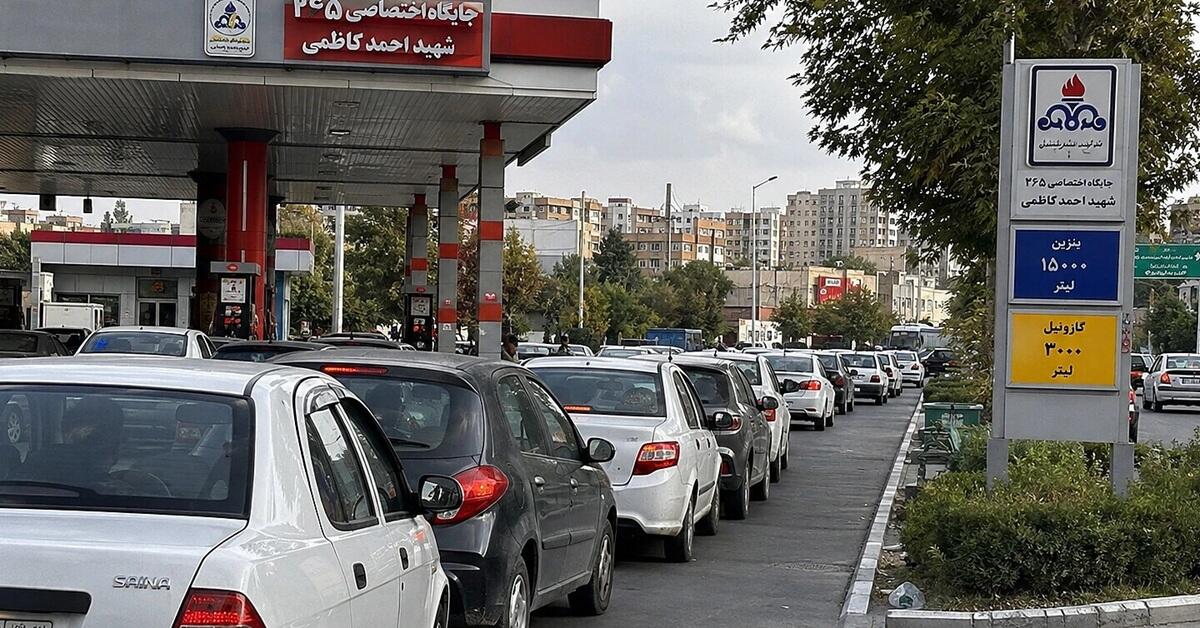
It would appear that initial reports of gasoline shortages across Iran did not convey the true scope of the crisis. In the past week alone more evidence from within Iran has hit social media, showing mass lines at gas stations and panic among citizens as rationing is introduced.
Energy officials have acknowledged a gasoline deficit of roughly 15 million liters every day, warning that strategic reserves have reached “dark red” territory.
Iran has ten main operating oil refineries plus the large Persian Gulf Star condensate refinery, which is the country’s biggest gasoline producer, meaning, they do have the capability to produce their own domestic gasoline supply. So, why the shortages?
Some refined products are shipped into Iran from foreign sources and the US blockade is stifling that supply. However, there is also the possibility that the blockade has forced Iran to shut down a number of oil wells due to lack of storage. Depending on the type of well, a shutdown can cause extensive damage and prevent new production for years to come. It’s likely that Iran’s crisis is rooted in an oil supply problem as much as a refining problem.
The Iranians have recently called for a return to the standards set by the MOU agreement with the US, and they have also accused the US of committing “war crimes”, arguing that the blockade is causing a humanitarian crisis.
The recent admissions of economic damage, the fuel shortages and the assertions of humanitarian crisis are a sharp tone shift from Iran’s posture only a month ago. Couple this with the 400% surge in ships traversing the Strait of Hormuz and it would seem that Iran is losing the war outright. If the blockade continues for another few months the financial damage could be irreversible and repairing resource flows could take years.
It’s not enough for the regime to survive if the economy they oversee dies.
Tyler Durden
Sun, 08/30/2026 – 16:15