Why do Americans protected by the 2nd Amendment still need to get permission and approval from the ATF to have a rifle with a barrel under 16 inches, or a particular brand of stock, or a suppressor that, in most cases, doesn’t silence a firearm at all but simply makes shooting it easier on a person’s hearing? Why, for 92 years, have citizens had to pay for a tax stamp and send their fingerprints to the government for guns that should be considered a constitutional right?
This is largely due to the National Firearms Act of 1934, passed under the highly overrated Franklin D. Roosevelt Administration. The law became a permanent annoyance to every gun owner in the US and a lucrative revenue stream for federal agencies; at least, until now.
Finally, after nearly a century, the law is being erased. But how?
The legality of the NFA relies heavily on the existence of a $200 tax stamp. The government did not ban covered items outright in order to avoid a clash with 2nd Amendment protections. Instead, they added a tax to various firearms and related accessories, then made the processing of the tax and approval on the purchases an arduous affair. Until the Trump Administration stepped in, NFA approval on any particular item could take up to a year.
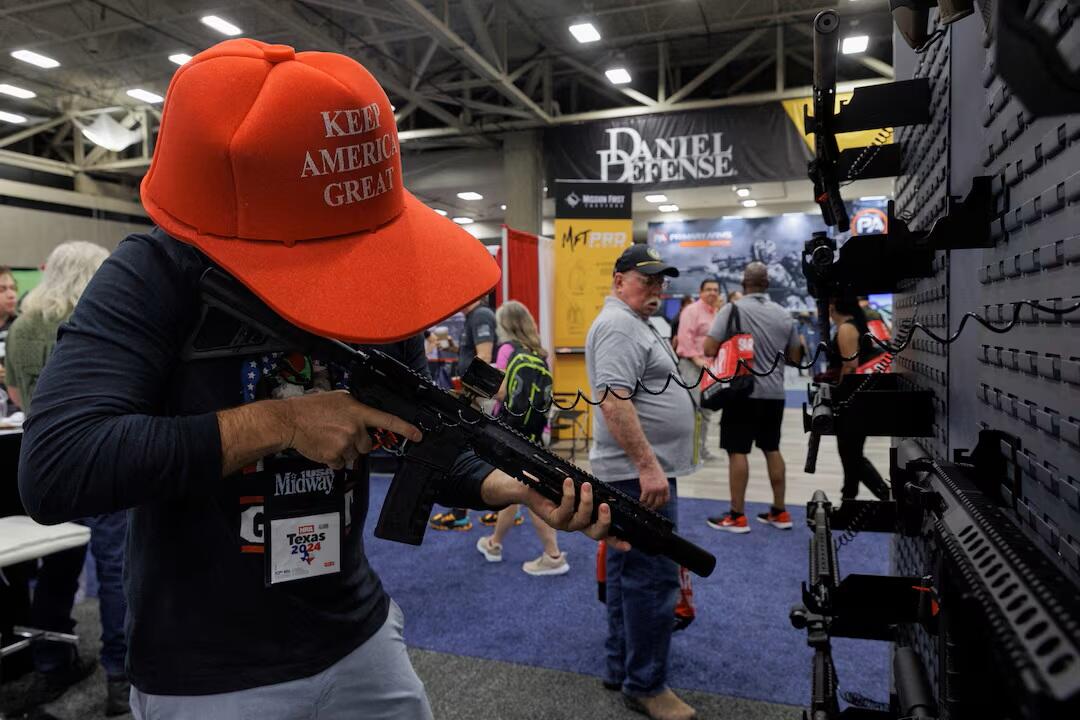
This clunky process was deliberately designed to dissuade citizens from purchasing certain firearms and attachments. For people suspicious of government lists, the fingerprinting and applications made them not want to bother. Possession of any of the items covered under the NFA is considered a serious federal crime with a penalty of up to 10 years in prison.
However, when Congress passed Trump’s “Big Beautiful Bill” in 2025, this included a provision which lowered the NFA transfer tax to $0. With the tax stamp gone, the legal loophole which made the NFA possible was eliminated. Now, an army of legal challengers have brought their case to federal courts to remove the NFA entirely, and they have succeeded (for the most part).
Expectations within the gun community were reserved (gun rights advocates have long waited for this moment and remain anxious that the DOJ will try to ruin the party with an appeal). But, this does not seem to be the case. Trump’s DOJ missed the first 7-day deadline for an appeal. They also have another 60-day deadline, but reports suggest that the DOJ has no intention of interfering with the court’s ruling.
Rumors are swirling that Trump was personally involved in the DOJ decision to support the removal of the NFA by refusing to appeal. Reportedly, according to Rep. Andrew Clyde who has been leading the charge on the legal fight, Trump has confirmed that there will be no further DOJ challenges to the NFA decision.
So what does this mean? The federal government will be issuing guidance over the next 60 days on how FFL holders and gun shops can proceed with the transfer of items listed in the NFA. At first, coverage is limited to the plaintiffs involved in the court ruling (and their customers), however, the DOJ has the power to nationalize the court’s decision, effectively making the NFA null and void for everyone everywhere (this is now a likely outcome).
This means, suppressors, short-barreled rifles (SBRs), short-barreled shotguns (SBSs) and other items could be purchased without tax stamps, fingerprinting and wait times. A basic background check (Form 4473) will remain in place. It may take another couple of months, but it appears that the NFA is effectively dead thanks to the Trump Administration. Gun owners had to suffer for nearly a century, but the long battle is ending.
Meanwhile, the Hughes Amendment is still a problem, preventing the sale or transfer of machine guns made after 1986. But it’s all about winning one fight and moving on to the next, and the end to the NFA is an epic accomplishment; one which most gun owners never thought they would see in their lifetime.
Tyler Durden
Fri, 08/14/2026 – 21:20