The DOE’s National Reactor Innovation Center announced 12 companies covering 13 projects for its latest Nuclear Energy Launch Pad (NELP) round on August 24th. Similar to the project coverage from the first round, this new group also spans multiple stages of the nuclear industry.
As we covered when the first four companies were selected, the initial group included the uranium enrichment company General Matter and reactor developers Radiant, Deployable Energy and NuCube Energy.
Multiple companies are seeing repeat entries into the fast-track nuclear development programs under the DOE:
- Oklo, Antares, and Valar are all returning after achieving criticality on their pilot reactor designs under the DOE’s Reactor Pilot Program
- Deployable Energy is returning with two programs after also being included in the initial NELP selection round.
The NELP offers access to nuclear expertise and infrastructure with a prioritized pathway through DOE authorization. The NELP is the new program that succeeded the DOE Reactor Pilot Program and DOE Fuel Line Pilot Program that have kick-started the nuclear renaissance in the US.
While not every company has been open about what they’re working on under the NELP, we collected what we could find on each of the companies and their various programs:

Antares Nuclear: Transportable microreactors for military and space applications. Its R1 design combines TRISO fuel with sodium heat pipes, targeting 100 kilowatts to 1 megawatt of electricity. Its selection uses “Launch Pad USA”, which means they do not have to be at the Idaho National Laboratory (INL) site to enjoy the benefits of the program
Atlas Atomics: They’re developing heavy-water reactor technology intended to combine electricity generation with medical and industrial isotope production and the reuse of spent nuclear fuel. Not much is known about their reactor design, but based on it being heavy water, it makes it similar to the CANDU reactor fleet in Canada. And with a previously written letter of support for Utah being one of the locations considered for the Nuclear Lifecycle Innovation Campuses, it is anticipated the company will be starting in the same state for their initial work.
Deployable Energy: Working on Unity, a transportable, high-temperature gas-cooled “nuclear battery” designed to generate 1 megawatt using helium cooling and conventional two NELP selections cover a full-power demonstration at INL and a maritime demonstration with Hornbeck Offshore under Launch Pad USA.
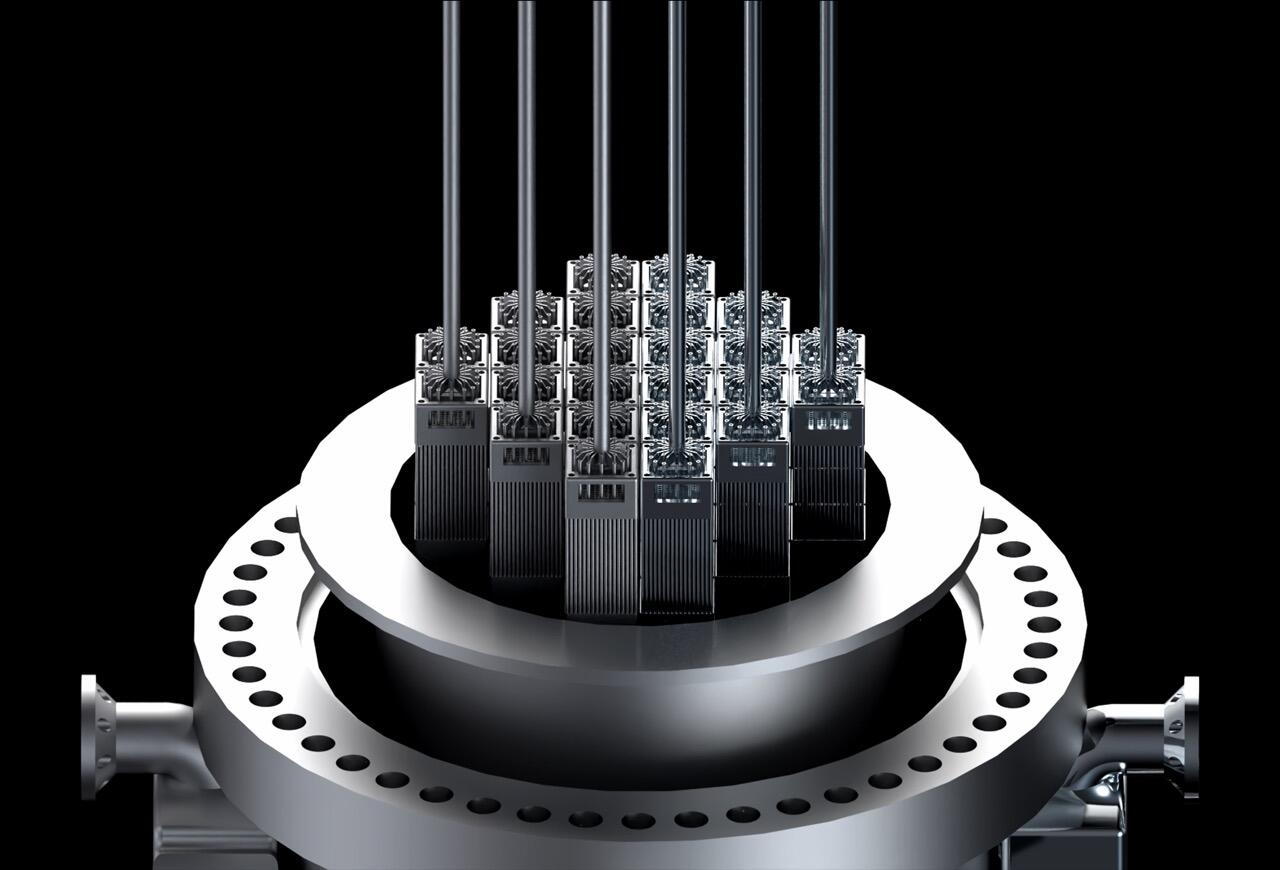
Forge Atomics: Developing Ember, a factory-built, 25-megawatt reactor for data centers and the grid. It’s one of the least novel designs on the list, leaning into the industry’s decades of experience with pressurized water designs and conventional LEU fuel. Components are sized for highway transport, with factory manufacturing intended to bring down construction costs and delays.
Hexium: Developing laser-based isotope enrichment, initially targeting lithium for fusion and fission applications. The company is modernizing Atomic Vapor Laser Isotope Separation, technology developed at the DOE’s national labs, and has also outlined plans for uranium enrichment. The company announced partnerships with Oklo and TerraPower when they initially came out of stealth last year.

Lightbridge: Developing twisted uranium-zirconium metallic fuel rods for existing and new reactors, including small modular reactors, aiming to improve heat transfer, increase output and extend refueling intervals. Its NELP project is SHED, a planned INL manufacturing facility for lead test assemblies destined for testing in U.S. commercial power reactors.
Nusano: Developing accelerator-based radioisotope production for cancer diagnosis and treatment, with additional work on industrial isotopes and nuclear batteries. Its energy business is pursuing mass-separation technology that enriches uranium metal to produce high-assay low-enriched uranium (HALEU) for advanced reactor fuel.
Oklo: Developing Aurora fast-fission reactors to supply electricity and burn used nuclear fuel from traditional reactors. Their business model calls for owning and operating plants and selling their output under long-term contracts. The company is also pursuing nuclear-fuel recycling and isotope production for medical, industrial and research applications.
Raven-Flint Nuclear: Developing the Corvus Route for uranium conversion, producing uranium hexafluoride without elemental fluorine gas. Following laboratory production, its NELP project is Torch, a planned pilot conversion plant at INL targeting 500 tonnes of uranium annually. That would add capacity between uranium mining and enrichment.

Scaled Atomics: Developing the MN-350, a mobile nuclear power system designed for a standard 20-foot shipping container and a ten-year refueling interval. It targets military missions, disaster response and remote commercial sites. The company says Launch Pad USA will help advance MN-350 from advanced design toward demonstration and commercial deployment.
Sublime Nuclear: Focused on rebuilding the domestic nuclear fuel supply chain and reducing dependence on foreign suppliers. Unfortunately, that’s about as much information as is currently available. The website doesn’t have much else to it, and no press releases have been put out by the company yet.
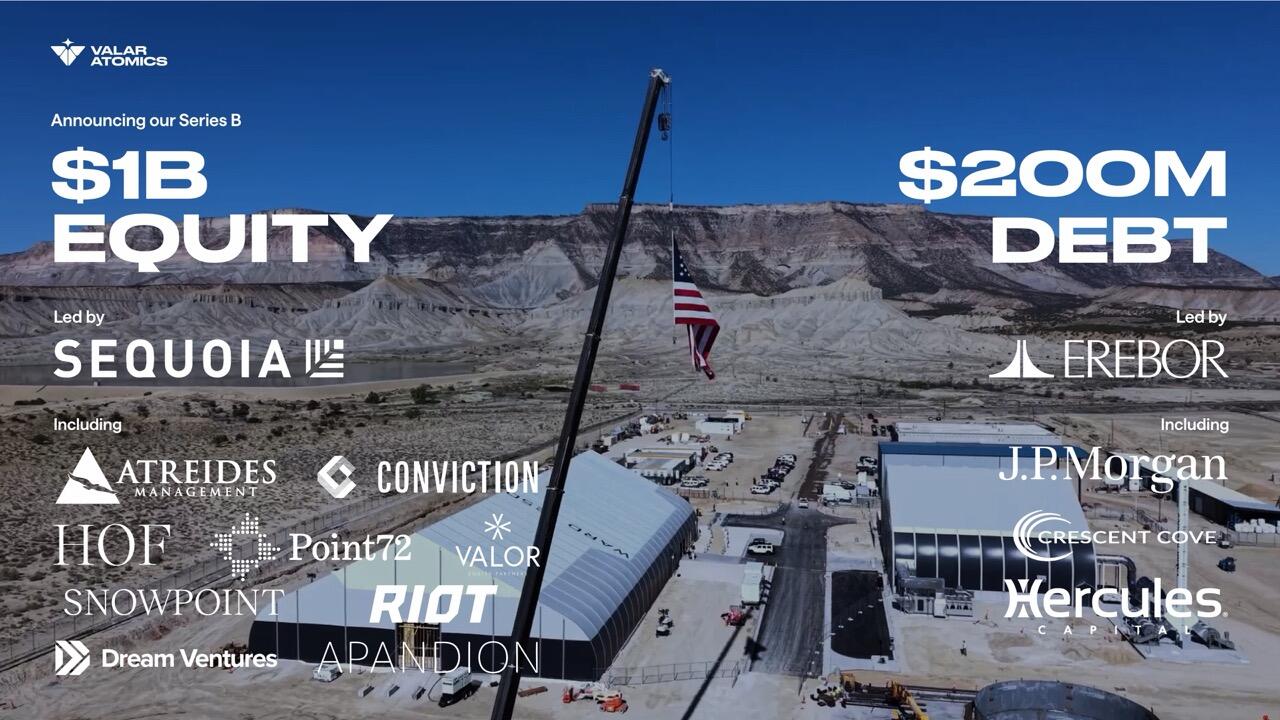
Valar Atomics: Developing high-temperature gas-cooled reactors for mass production and deployment. Its ambitions extend across AI data centers, industrial heat, hydrogen and synthetic fuels, with manufacturing and deployment concentrated at what it calls gigasites. The company made headlines recently with a recent funding round that reached over $1 billion in equity and debt.
Tyler Durden
Sun, 09/06/2026 – 11:05