An official affiliated with Saudi-backed militias in Yemen told CNN that the Houthis “committed everything they had – waves upon waves of fighters… along with their available ballistic missiles and weapons.”
“But the air support never came,” the source said in reference to the fact that the Saudi-backed side rapidly folded and retreated in just days last week. “And Mocha has now fallen.” The blame game has begun after a mere 36 hours has seen the Saudi coalition fracture on the ground, and the finger-pointing is likely to go on in the halls of government, now as Saudi territory continues coming under direct missile and drone threat.

Another regional source told CNN on Thursday that “The failure this time is not with the Yemenis” but that “it’s a disaster made in DC and Riyadh.”
According to some further key lines and expletives:
The regional source told CNN that it was “a complete failure of political leadership” amid fierce squabbling and delayed decision-making in Riyadh.
“There was not one air strike throughout the day yesterday (by Saudi support forces), although there were minute-by-minute updates,” the regional source added. “It’s a Saudi-American f**k up of epic proportions.“
There are at the same time widespread reports that the Iran-backed Houthis have seized US made M-ATVs and MRAP armored vehicles.
Dudes in sandals breaking the coalition with lighting speed…
The Houthis are literally fighting in sandals and are routing a military provisioned by (directly) KSA and (indirectly) the US. https://t.co/DxcTorDBO1
— History Speaks (@History__Speaks) September 11, 2026
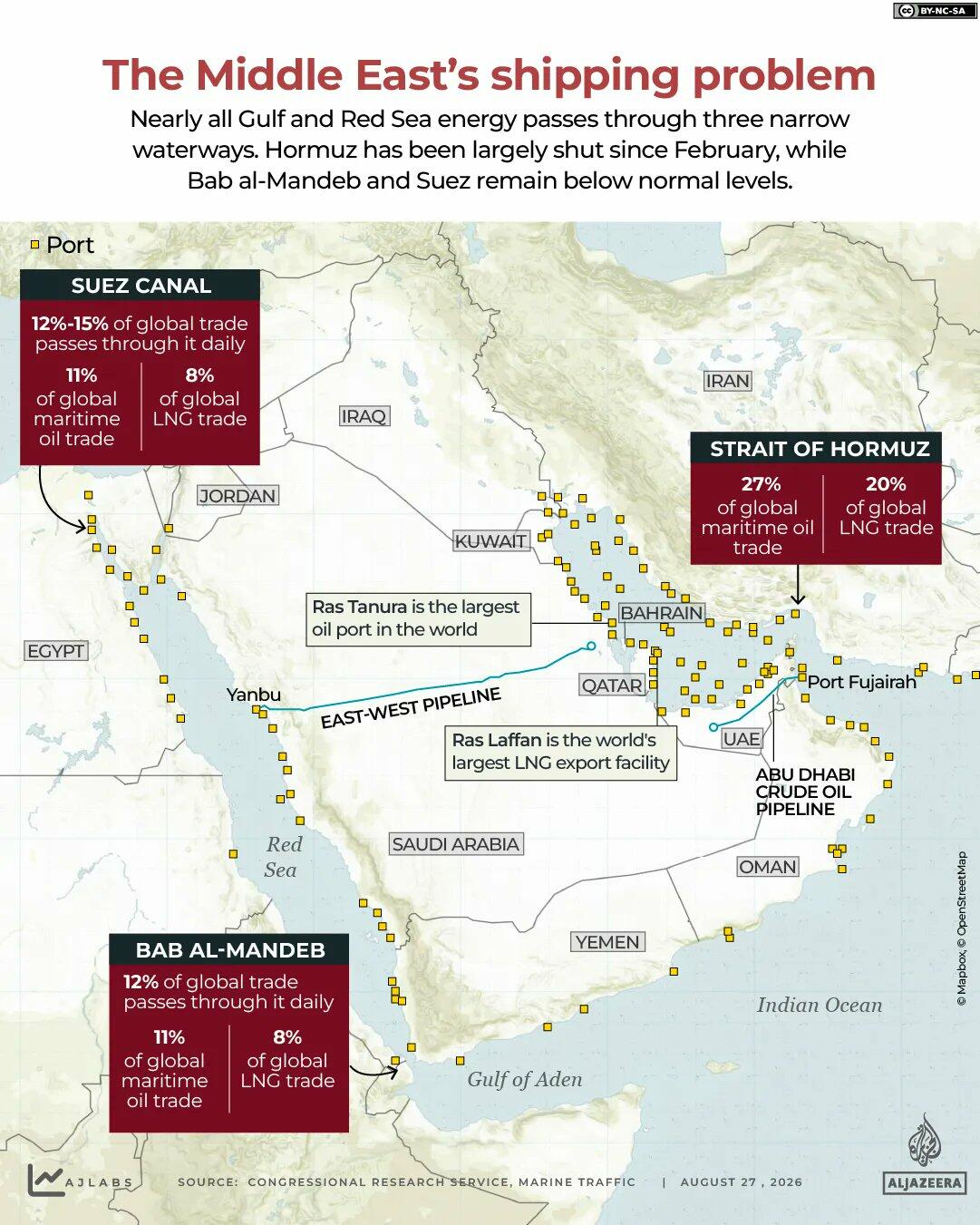
Amr Al-Bidh, the top official of Yemen’s Southern Transitional Council (STC), has also been quoted in the CNN report, explaining that the Houthis “don’t need to use advanced weapons to close Bab al-Mandeb. They can just use a cannon on a car.”
He added “It’s a leverage that they have without using advanced weapons. And they will keep it.”
All of this has further emboldened the Houthis to take the fight directly to Saudi territory, amid the ongoing “siege for siege” policy. Riyadh has long sought to impose a brutal blockade on Houthi-controlled ports. The group has so far indicated it intends to allow most international vessels to traverse the Red Sea, but will attack Saudi or Israeli-linked shipping.
There are fresh Sunday reports of another ballistic missile attack on a Saudi base:
Yemen’s Houthi group on Sunday claimed that it had launched a ballistic missile and drone attack on a Saudi military base, as fighting between the group and Riyadh-backed Yemeni government forces intensified.
Houthi military spokesperson Yahya Saree said the attack targeted the Sharurah base in southern Saudi Arabia, including “weapons depots and command and control centers that are managing the aggression against our nation and people”.
Saree declared that the strikes had hit their targets and threatened further bigger strikes deeper inside the kingdom if the Saudis keep up their military operations in Yemen.
gonna tell my kids this was Toyotathon https://t.co/0mYxwFDk7U
— Luke Metro (@luke_metro) September 12, 2026
Saudi coalition aerial assets have been belatedly at work: “On Sunday, the Yemeni military said its air force had conducted three strikes against Houthi positions and barracks in the Taiz region,” MEE reports.
Al Jazeera writes: Analysts are calling the Iran-backed Houthi group’s victories the most significant regional development since the start of the US-Israel war on Iran. The offensives could be particularly damaging for Saudi Arabia and its oil exports.
The Yemeni military announced on X, “Air force of the armed forces targeted positions and barracks of the terrorist Houthi group with three air strikes” in the Taiz region.
Meanwhile, President Trump has said the Houthis are in contact with him and have pledged to let ships through the Bab Al-Mandab Strait. He said to reporters Saturday while meeting with Irish Prime Minister Micheal Martin, “The Houthis called us, and they don’t want to fight with us. They don’t want us to go after them.” He further explained that “they would much prefer not having us involved:” and so “they are letting most ships go through.” The president did acknowledged they do have a ban on Saudi vessels, however. But the Houthi threat of closing the energy transit chokepoint lingers heavily.
Tyler Durden
Sun, 09/13/2026 – 11:05